

Laser hair removal is one of the most in-demand cosmetic treatments in the United States. As the industry grows, so does state oversight. Many people considering a career in this field ask the same question: what states require laser hair removal certification?
The answer is not simple. Licensing and certification rules vary widely across the country, and requirements often depend on who performs the treatment, where it takes place, and under what supervision.
This guide explains how laser hair removal regulation works, which states require certification or licensing, and what future professionals should know before enrolling in training.
Understanding Laser Hair Removal Regulation in the U.S.
When talking about laser hair removal laws, it is important to understand that there is no single national standard. Regulation happens at the state level, usually through medical boards, cosmetology boards, or departments of health.
Most states classify laser hair removal as a medical or cosmetic procedure involving medical devices. Because lasers can cause burns, scarring, and pigment changes if used incorrectly, states often limit who can operate laser equipment and under what conditions.
Some states require formal certification or licensure, while others allow laser hair removal under physician delegation with minimal state-defined training rules.
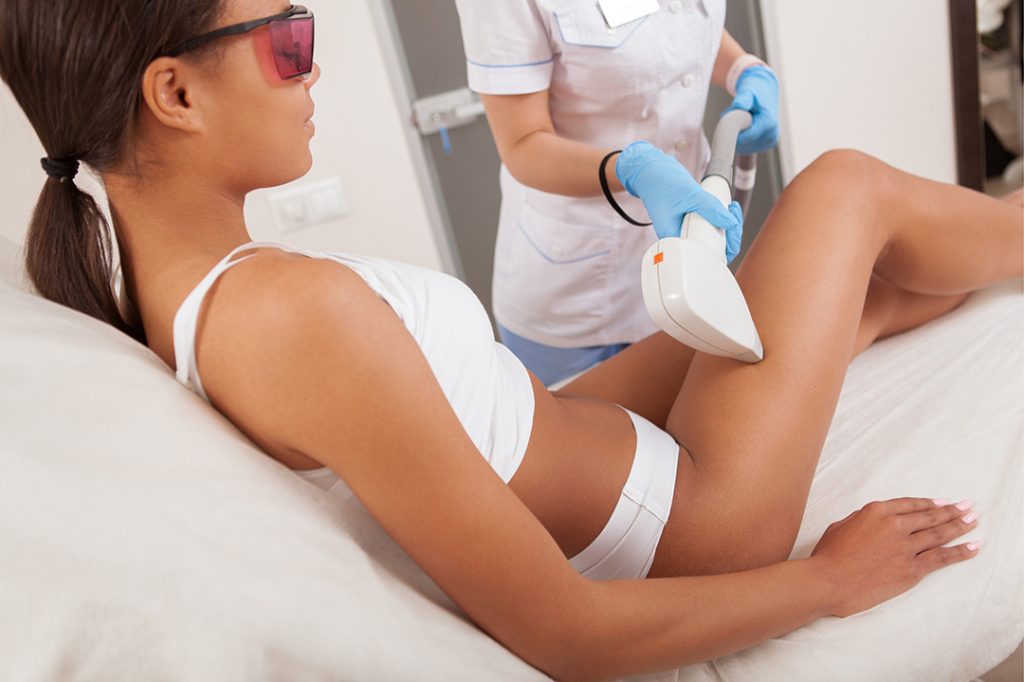
Why States Regulate Laser Hair Removal Certification
States regulate laser hair removal to:
- Protect patient safety
- Ensure proper laser training and device knowledge
- Define professional scope of practice
- Reduce liability and treatment complications
Laser systems use controlled energy that affects the skin at different depths. Improper settings, poor skin assessment, or lack of safety training can lead to serious injuries. Because of this, many states require training programs that cover laser physics, skin types, contraindications, and safety protocols.
States That Require Laser Hair Removal Certification or Licensing
While terminology differs, several states explicitly require certification, licensure, or formal training before performing laser hair removal. Below is a general breakdown based on how states typically regulate the practice.
States With Strict Medical Oversight
These states classify laser hair removal as a medical procedure and require involvement from licensed medical professionals.
Common requirements include:
- Physician supervision
- Medical board-approved training
- Certification completion before hands-on treatment
Examples include:
- Texas
- California
- New Jersey
- New York
In these states, laser hair removal technicians often must complete a structured certification program and work under a medical director.
States That Require Certification for Non-Medical Providers
Some states allow non-physicians to perform laser hair removal but require formal certification or state-approved training.
Typical rules include:
- Completion of laser hair removal certification
- Defined training hours
- On-site or indirect medical supervision
Examples include:
- Florida
- Arizona
- North Carolina
These states clearly outline who may perform treatments and what education is required before operating laser devices.
States With Board-Defined Training Requirements
In several states, certification is not labeled as mandatory, but training is still required under state board rules. These rules are often enforced through cosmetology or medical boards.
Common features:
- Mandatory laser safety education
- Hands-on clinical training
- Delegation by licensed professionals
Examples include:
- Georgia
- Illinois
- Virginia
Although these states may not issue a “laser license,” failure to complete approved training can still result in penalties.
States With Limited or Indirect Regulation
A smaller group of states does not clearly define laser hair removal certification laws. However, this does not mean training is optional.
In these states:
- Physicians may delegate laser use
- Employers set training standards
- Liability laws still apply
Examples include:
- Pennsylvania
- Ohio
- Michigan
Even where certification is not strictly required, employers almost always expect formal training for insurance and compliance reasons.
How Medical Supervision Works by State
Medical supervision rules are a major factor in laser hair removal certification requirements.
Direct Supervision States
These states require a physician to be physically present or immediately available during treatments. This often limits who can practice and increases the importance of recognized training programs.
Indirect Supervision States
Indirect supervision allows a physician to oversee operations without being on-site at all times. Certification becomes essential in these states to prove competency and safety training.
Delegation-Based States
Some states allow physicians to delegate laser procedures to trained individuals. Certification helps define qualifications and protects both the technician and the supervising physician.
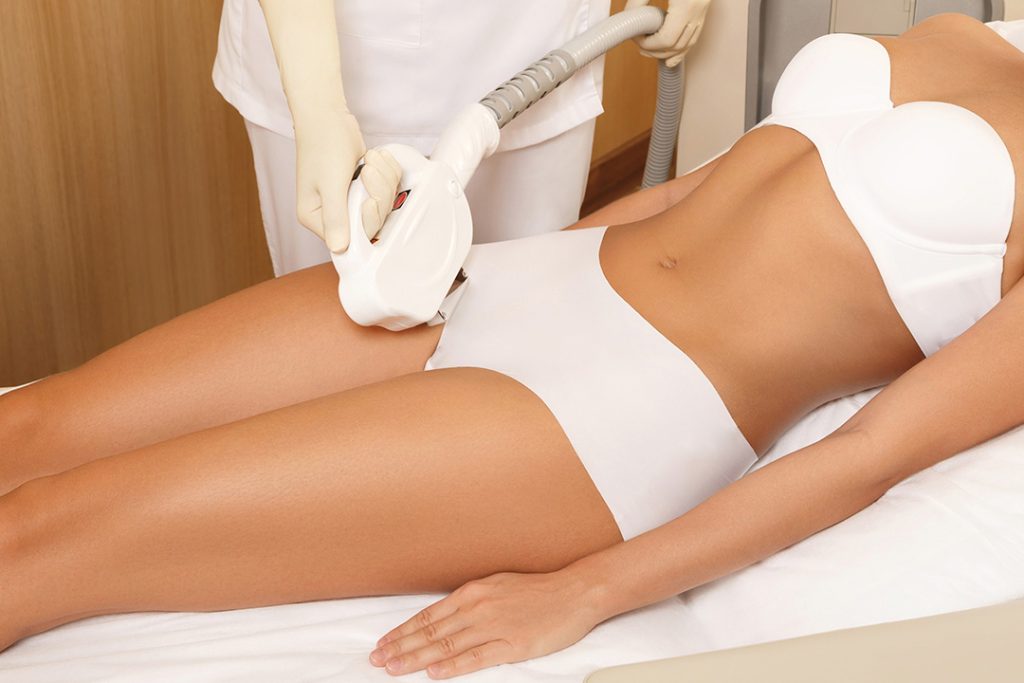
Do Estheticians Need Laser Hair Removal Certification?
In many states, esthetician licenses alone are not enough to perform laser hair removal.
Key points:
- Laser hair removal often falls outside standard esthetics scope
- Additional laser certification is commonly required
- Some states prohibit estheticians from performing laser treatments entirely
States that allow estheticians to perform laser hair removal usually require separate certification and physician oversight.
Laser Hair Removal Certification vs. License
Understanding the difference between certification and licensure helps avoid confusion.
Certification
- Awarded after completing a laser training program
- Confirms education, safety knowledge, and hands-on experience
- Often required by employers and medical directors
License
- Issued by the state
- Grants legal authority to practice
- May be medical, nursing, or cosmetology-based
Many states require both a professional license and laser hair removal certification.
What Is Included in Laser Hair Removal Certification Programs?
Most certification programs cover:
- Laser physics and energy principles
- Skin typing and hair analysis
- Laser safety standards
- Device operation and settings
- Contraindications and risk factors
- Pre- and post-treatment care
- Hands-on clinical training
Programs are designed to meet state requirements while preparing students for real-world practice.
Choosing a Training Program That Meets State Requirements
Because laws vary by state, choosing the right training program matters.
A strong program should:
- Align with state medical board guidelines
- Offer hands-on clinical experience
- Provide documentation accepted by employers
- Cover both theory and safety training
Advanced Laser Institute of Woodlands offers structured education designed to prepare students for state-regulated environments while emphasizing safety, professionalism, and compliance.
Can You Transfer Laser Hair Removal Certification Between States?
Certification transferability depends on the state.
Important considerations:
- Some states accept prior certification with additional training
- Others require new certification regardless of experience
- Medical board approval may be required
Professionals planning to relocate should always check state-specific rules before practicing.
Consequences of Practicing Without Required Certification
Practicing laser hair removal without proper certification or supervision can lead to:
- Fines and penalties
- Loss of professional license
- Legal liability
- Insurance denial
- Patient injury claims
Certification protects not only clients but also practitioners and business owners.
How State Laws Continue to Change
Laser hair removal laws change as technology evolves. States regularly update definitions, supervision rules, and training expectations.
Trends include:
- Increased enforcement
- Clearer training hour requirements
- Expanded certification documentation
Staying informed is part of maintaining a professional laser practice.
Launch Your Laser Career With Confidence in the Shenandoah Area
Choosing the right laser hair removal technician certification program can shape your entire career. If you’re looking for professional training near Shenandoah that balances hands-on experience, safety-focused education, and real-world preparation, Advanced Laser Institute of Woodlands stands out as a smart choice.
Our program is built for students who want more than basic instruction. We focus on practical skills, regulatory awareness, and confidence with modern laser technology—so you’re ready to step into a clinical or med spa setting with clarity and professionalism.
Industry-Focused Training Designed for Real Practice
Laser hair removal is a skill-based profession. Reading alone is not enough. Our certification program emphasizes hands-on training, allowing students to work directly with laser equipment under guided instruction. You gain experience assessing skin types, adjusting settings, and following proper safety protocols—skills employers expect from day one.
The curriculum is structured to reflect how laser treatments are actually performed in professional environments, not just how they appear in textbooks.
Education That Aligns With State Expectations
Laser hair removal regulations vary, and understanding compliance matters. Our training is designed to support students working under physician supervision models commonly used across regulated states. You’ll learn how laser hair removal fits within medical oversight frameworks, documentation standards, and professional responsibilities.
This approach helps graduates feel prepared, informed, and confident when entering the workforce.
Convenient Access Near Shenandoah
Our location offers easy access for students in and around the Shenandoah area without the need to navigate busy downtown routes. This makes attending classes more manageable, especially for students balancing work, family, or other commitments.
Being close to home means you can focus more on learning and less on long commutes.
Clear Instruction With Professional Standards
We believe effective education should be clear, structured, and practical. Complex topics like laser physics, skin interaction, and treatment planning are explained in simple language without oversimplifying the science. This ensures students truly understand what they are doing and why it matters.
Our instructors emphasize accuracy, safety, and consistency—qualities that define strong laser technicians.
Supportive Learning Environment
Students benefit from a focused learning atmosphere where questions are encouraged and progress is supported. Whether you are entering the aesthetics field for the first time or expanding your existing skill set, our program is designed to meet you where you are and help you move forward with confidence.
A Smart Step Toward a Growing Career
Laser hair removal continues to be one of the most requested cosmetic treatments. Completing a structured certification program helps position you as a trained professional in a competitive field. Graduates leave with documented training, practical experience, and a clear understanding of professional expectations.
Train With Purpose. Practice With Confidence.
If you’re ready to pursue laser hair removal technician certification near Shenandoah, Advanced Laser Institute of Woodlands offers the education, structure, and hands-on experience needed to move forward with confidence and credibility.
Advanced Laser Institute of Woodlands Serving the Shenandoah Community and Beyond in Woodlands
Advanced Laser Institute of Woodlands is dedicated to serving the diverse needs of the local community of Woodlands, including individuals residing in neighborhoods like Shenandoah. With its convenient location near landmarks such as the Vision Park and major intersections like Pine Forest Dr. and Vision Park Blvd. (coordinates: 30.188903000000003, -95.45862009999999), we offer laser hair removal technician certification Woodlands services.
Get Laser Hair Removal Technician Certification Services At Shenandoah Now
Navigate from Shenandoahto Advanced Laser Institute of Woodlands Now
Final Thoughts
Understanding state requirements for laser hair removal certification is essential for anyone pursuing a career in this growing industry. With rules varying across the U.S., knowing which states mandate certification, supervision, or training ensures you stay compliant, protect your clients, and build a successful career.
Even in states without strict licensing, completing a recognized certification program gives you the confidence, hands-on experience, and credibility employers and clients expect. By investing in proper education, you position yourself as a knowledgeable and skilled professional in a competitive field.
FAQs
1. Which states require laser hair removal certification?
Many states require laser hair removal certification either directly or through medical board rules. States such as Texas, California, New York, and Florida require formal training and physician supervision before a technician can perform laser treatments. Even in states without a specific certification license, approved training is often expected by employers and medical directors.
2. Is laser hair removal considered a medical procedure in all states?
Laser hair removal is not classified the same way in every state. Some states define it as a medical procedure, while others treat it as a cosmetic service performed under physician delegation. The classification affects who may perform treatments, what training is required, and whether certification is mandatory.
3. Can non-medical professionals perform laser hair removal with certification?
In many states, non-medical professionals may perform laser hair removal if they complete proper certification and work under physician supervision. Requirements vary by state, and certification helps confirm that the technician has completed training in laser safety, skin assessment, and device operation.
4. Do estheticians need separate certification to perform laser hair removal?
Yes, in most states, an esthetician license alone is not enough to perform laser hair removal. Additional laser hair removal certification is commonly required, along with medical supervision. Some states do not allow estheticians to perform laser treatments at all, regardless of certification.
5. What happens if someone performs laser hair removal without certification?
Practicing laser hair removal without required certification or supervision can lead to fines, license discipline, legal liability, and insurance issues. Certification helps protect both the technician and the client by confirming proper training, safety knowledge, and compliance with state regulations.


