Laser treatments have become one of the fastest-growing services in the beauty and medical aesthetics industry. People are drawn to non-invasive treatments that remove unwanted hair, smooth wrinkles, reduce pigmentation, and even erase scars.
If you’ve ever thought about entering this field, the first question you might ask is: do I need a medical license to start laser training?
The answer isn’t simple. It depends on the type of laser treatment, the state you live in, and the level of supervision required. This article explores the requirements, benefits, and training options, giving you a clear path forward.
Understanding Laser Technology in Aesthetic Procedures
Before diving into licensing and regulations, it’s important to understand the technology behind lasers. A laser isn’t just a fancy flashlight—it’s a highly focused beam of light that targets specific pigments in the skin or hair. Using the wrong type, intensity, or technique can lead to burns, scars, or ineffective treatments.
Types of Lasers Commonly Used
Laser devices vary widely depending on their intended purpose. Some commonly used types include:
- Diode Lasers: Often used for hair removal, effective on deeper hair follicles.
- Alexandrite Lasers: Excellent for treating lighter skin tones and removing pigmentation.
- Nd:YAG Lasers: Works well for darker skin tones and vascular lesions.
- CO2 Lasers: Often used for resurfacing skin, reducing wrinkles, or removing scars.
- Fractional Lasers: Target small areas of skin for precise treatment while leaving surrounding skin intact.
Knowing which laser to use for each treatment requires proper training. That’s why laser certification programs focus heavily on hands-on experience.
Applications in Skin and Hair Treatments
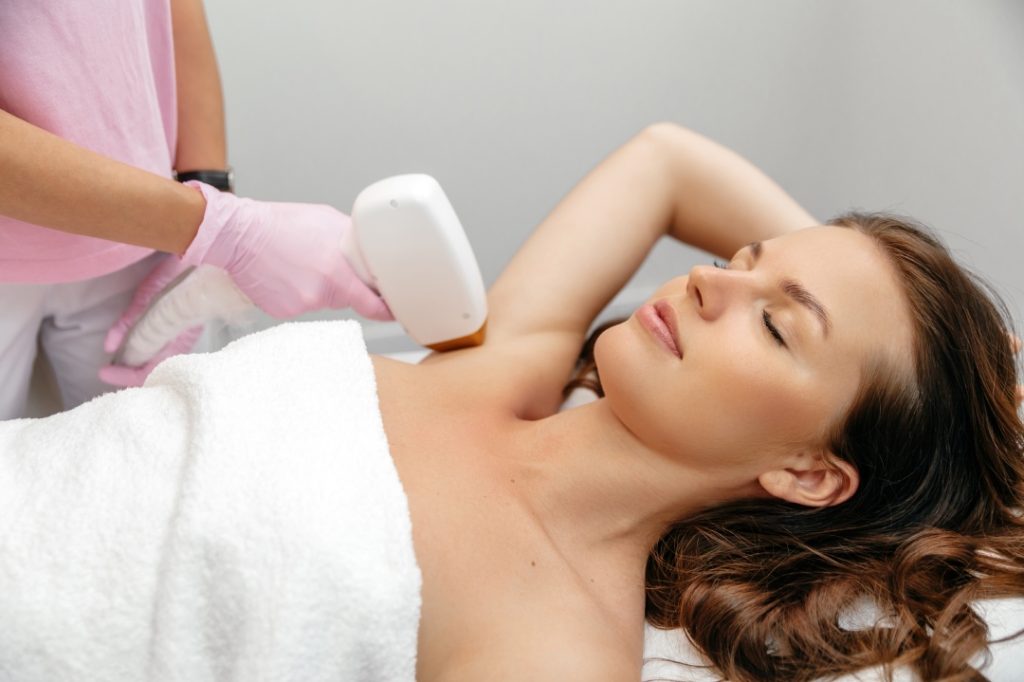
Lasers aren’t limited to hair removal. They can:
- Reduce fine lines and wrinkles
- Treat acne scars and pigmentation
- Remove tattoos
- Target vascular lesions like spider veins
- Improve skin texture and tone
Each application demands specific settings, protocols, and patient assessment skills. Without training, even a small mistake can cause long-term damage.
Who Can Legally Perform Laser Treatments?
Laws around laser treatments vary from state to state. Understanding your eligibility is crucial before starting training.
Licensed Medical Professionals
Physicians, nurses, and physician assistants usually have fewer restrictions. They can perform a wide range of treatments after completing accredited laser courses. For these professionals, the combination of medical knowledge and hands-on laser training allows them to safely treat clients with complex skin issues.
Non-Medical Professionals and State Regulations
Cosmetologists and estheticians can operate certain laser devices in some states. However, they often require supervision by a licensed physician. For example, hair removal lasers might be allowed under state-approved protocols, while more invasive skin resurfacing treatments remain off-limits without medical oversight.
Always check your state’s regulations before enrolling in a laser program, because non-compliance can result in fines or even legal action.
State Laws and Requirements
Laser regulations differ widely across the United States. Some states have strict medical oversight requirements, while others permit licensed estheticians to perform certain procedures independently.
How Regulations Differ Across States
- Texas: Licensed estheticians can operate hair removal lasers under certain guidelines, but treatments like tattoo removal or skin resurfacing require medical supervision.
- California: More restrictive; many laser treatments can only be performed by licensed medical personnel.
- Florida: Offers a mixed approach where some cosmetic laser procedures can be done by certified estheticians under physician oversight.
Understanding your state’s requirements ensures you stay compliant while maximizing career opportunities.
The Role of Medical Oversight
Medical oversight is not just a legal requirement—it’s a safety measure. Supervising physicians provide guidance, approve treatment plans, and are available in case of complications. This ensures both client safety and professional credibility.
Benefits of Formal Laser Training
Formal laser training equips professionals with knowledge, confidence, and certification that can set them apart in a competitive industry.
Safety and Skill Development
Laser training emphasizes proper patient assessment, machine operation, and emergency response protocols. Learning these skills reduces the risk of burns, hyperpigmentation, and other adverse effects. Safety-focused training also builds trust with clients.
Increasing Career Opportunities
A certified laser technician has access to a variety of career paths: medspas, dermatology offices, cosmetic clinics, or private practice. Employers and clients value professionals with proof of skill, which formal training provides.
Advanced Laser Institute of Woodlands: Training Overview
The Advanced Laser Institute of Woodlands offers comprehensive training programs designed to meet state regulations and industry standards. Their programs cater to both beginners and experienced professionals.
Courses Offered
- Laser Hair Removal
- Skin Rejuvenation
- Acne and Pigmentation Treatments
- Safety Protocols and Laser Physics
Each course is structured to provide theoretical knowledge and practical experience, ensuring graduates leave fully prepared.
Hands-On Practice Sessions
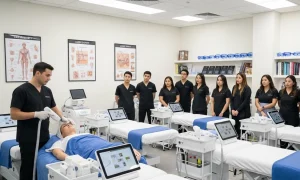
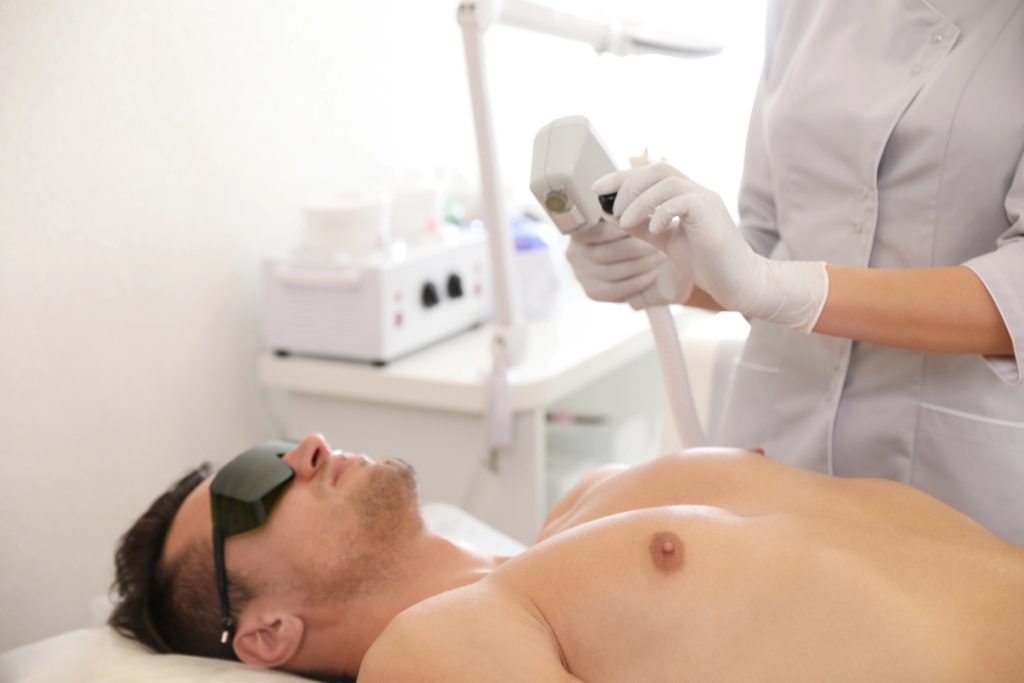
Students work with real clients and professional-grade laser equipment in a controlled environment. Hands-on training allows learners to practice settings, angles, and techniques under expert supervision.
Certification Process
Upon completing a course, students receive certification recognized by employers and state boards. This credential proves competence and enhances career prospects.
Student Success Stories
Many graduates of Advanced Laser Institute of Woodlands now work in top medspas and dermatology clinics. Their training helped them transition into new careers, expand services, and attract clients with confidence.
Key Considerations Before Enrolling
Before committing to a program, consider your current experience, career goals, and local regulations.
Experience Requirements
Some laser courses require prior experience as an esthetician or medical professional. Beginner programs are available for newcomers, but advanced courses often assume foundational knowledge.
Equipment and Technology Used
Ensure your training center uses modern, up-to-date laser devices. Learning on outdated machines may limit your job readiness in a fast-evolving industry.
Costs and Time Commitment
Laser training costs and time commitments vary widely depending on the program.
Typical Course Fees
- One-day workshops: $500–$700
- Multi-week certification programs: $1,500–$3,000
Fees usually include study materials, hands-on training, and certification exams.
Duration of Training Programs
Courses can last anywhere from a single intensive day to several weeks. Comprehensive programs often combine classroom theory, hands-on practice, and supervised treatments to ensure mastery.
Career Paths After Laser Training
Completing a laser training course opens several career options.
Medical Esthetician Roles
Certified medical estheticians perform treatments such as laser skin resurfacing, pigmentation correction, and acne scar reduction under medical supervision. They often command higher pay due to their specialized skills.
Working in Dermatology Clinics or MedSpas
Graduates can work in medspas, dermatology offices, and cosmetic clinics. Employers seek professionals who are trained, certified, and capable of delivering safe, effective treatments.
Common Misconceptions About Laser Licensing
Many people assume that all laser treatments require a medical license. That’s not always true.
Myths About Who Needs a Medical License
While invasive procedures usually require medical oversight, some non-invasive laser treatments, like basic hair removal, can legally be performed by certified estheticians in certain states.
How Training Protects Professionals and Clients
Training ensures that every professional, medical or not, can operate lasers safely, reducing risks for clients and protecting the practitioner from liability.
Preparing for Your First Laser Certification
Before enrolling, research your options and prepare properly.
Choosing the Right Training Center
Pick an accredited institution with experienced instructors and positive reviews. Advanced Laser Institute of Woodlands is recognized for high-quality training and hands-on learning.
Gathering Prerequisite Knowledge
Study skin anatomy, laser physics, and safety guidelines. Preparing ahead maximizes your learning and builds confidence during hands-on practice.
Future Trends in Laser Training and Regulation
The laser industry continues to evolve with new technologies and potential changes in regulations.
Emerging Technologies
Advances like picosecond lasers, fractional devices, and hybrid systems expand treatment possibilities. Staying updated with these technologies ensures your skills remain relevant.
Anticipated Changes in Legal Requirements
Some states may expand access for trained non-medical professionals, while others could tighten restrictions. Continuous education ensures compliance and career stability.
Advanced Laser Institute of Woodlands Serving the College Park Community and Beyond in Woodlands
Advanced Laser Institute of Woodlands is dedicated to serving the diverse needs of the local community of Woodlands, including individuals residing in neighborhoods like College Park. With its convenient location near landmarks such as the Vision Park and major intersections like Vision Park Blvd. & Pine Forest Dr. (coordinates: 30.188903000000003, -95.45862009999999), we offer laser hair removal training Woodlands services.
Get Laser Hair Removal Training at College Park Now
Navigate from College Park to Advanced Laser Institute of Woodlands Now
Launching Your Career in Laser Aesthetics
Laser training doesn’t automatically require a medical license, but regulations differ by state. Completing a certified program, such as those offered at Advanced Laser Institute of Woodlands, equips you with the knowledge, hands-on experience, and professional credentials needed to thrive.
Understanding state requirements, selecting the right training center, and preparing thoroughly will put you on the path to a safe, rewarding, and successful career in the booming field of aesthetic laser treatments.
FAQs
1. Can estheticians perform laser hair removal without a medical license?
It depends on your state. Some states allow certified estheticians to perform certain laser procedures under physician supervision.
2. How long does laser training usually take?
Training ranges from one-day workshops to multi-week programs, depending on the course depth and certification requirements.
3. Is certification from Advanced Laser Institute of Woodlands recognized nationwide?
Our certifications are widely respected, but always verify your state’s requirements for compliance.
4. Are there prerequisites for enrolling in laser training?
Some courses require prior esthetician or medical experience, while beginner programs may accept newcomers.
5. Do I need insurance after certification?
Yes. Professional liability insurance is strongly recommended to protect yourself and your clients during laser treatments.