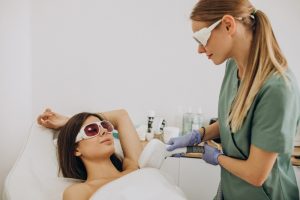
Laser training programs have grown in popularity because they give students a real chance to master one of the fastest-growing fields in aesthetics and medical treatments. These programs aren’t just about theory—they immerse students in practical, hands-on experience.
The goal is simple: train students to handle laser equipment safely, efficiently, and professionally. In laser training programs, students learn about various types of lasers, understand their applications, and explore essential tools used in modern clinics and medical spas.
For anyone stepping into this field, the difference between reading about lasers and actually using them is huge. Imagine trying to learn to drive a car only from a manual—it wouldn’t work. The same principle applies to lasers. Students need to interact with the equipment to fully understand how to adjust settings, handle emergencies, and perform precise treatments.
Why Hands-On Equipment Experience Matters
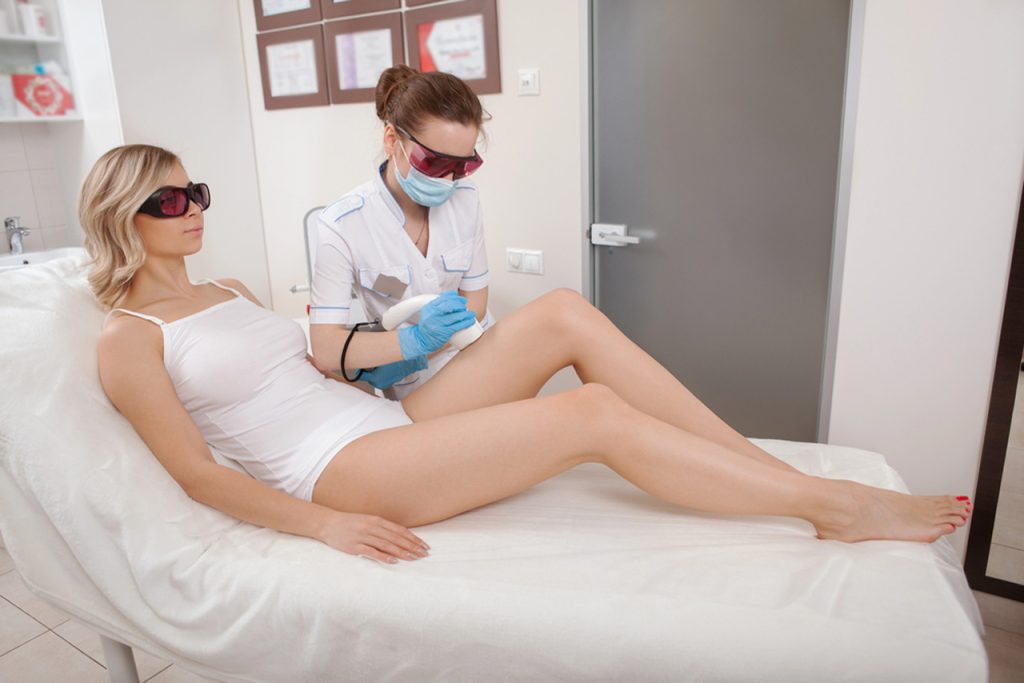
Laser technology is precise. Even slight miscalculations can affect treatment results or safety. That’s why hands-on practice is a core part of laser training. Students learn to control energy output, pulse duration, and spot size. They also develop muscle memory for handling handpieces comfortably, adjusting angles, and performing treatments in ways that reduce discomfort for clients.
Practical experience also builds confidence. A student who has spent hours practicing on synthetic skin or simulation software will approach real patients calmly and competently. Beyond technical skills, hands-on work reinforces safety habits. Lasers carry risks, including burns or eye injuries, so practicing with proper protocols ingrains the importance of protective measures.
Common Laser Devices Students Work With
Diode Lasers
Diode lasers are compact, reliable, and widely used in hair removal training programs. They operate on specific wavelengths, allowing students to treat a range of hair and skin types effectively. Training includes adjusting energy levels, understanding pulse duration, and learning how skin type affects treatment response.
Students practice on synthetic skin or controlled models before moving to real-world scenarios. The key focus is learning how to achieve results without causing burns or discomfort, which builds both precision and client confidence.
CO2 Lasers
CO2 lasers are essential for skin resurfacing, scar treatment, and minor surgical procedures. They work by vaporizing targeted skin layers with high precision. In training, students learn depth control, which is critical to avoid damaging underlying tissue.
Hands-on experience teaches them about cooling techniques, skin mapping, and how to adjust the laser for different treatment areas. CO2 lasers are powerful, so training emphasizes safety protocols, including protective eyewear and smoke evacuation.
Nd:YAG Lasers
Nd:YAG lasers are versatile and commonly used in hair removal, vascular lesion treatment, and pigmentation correction. Students focus on selecting the correct energy level, pulse duration, and spot size.
Training includes learning how to adapt the laser for different skin tones safely. Students gain practical understanding of tissue response, side effects management, and how to adjust parameters for optimal results. This experience is invaluable for careers in medical aesthetics.
Alexandrite Lasers
Alexandrite lasers are frequently used for hair removal and pigment treatments. They operate at a wavelength that is ideal for lighter skin tones, making it essential for students to understand which skin types respond best.
Training emphasizes pulse control, energy adjustment, and minimizing discomfort while achieving effective results. By practicing with Alexandrite lasers, students gain confidence in treating clients safely and efficiently.
Laser Safety Equipment Every Student Needs
Protective Eyewear
Protective goggles are mandatory in any laser training program. Different lasers emit specific wavelengths, and the wrong eyewear can lead to serious eye injuries. Students learn to identify the correct goggles for each device, making safety second nature.
Safety Gloves and Clothing
Heat-resistant gloves and protective clothing protect students from accidental burns and exposure. Using gloves and lab coats during training not only ensures safety but also helps students get used to standard professional attire in laser clinics.
Smoke Evacuation Systems
Laser treatments often produce smoke and vaporized particles, which can be harmful if inhaled. Smoke evacuators remove these byproducts, maintaining a safe environment. Students learn how to position evacuation systems correctly to keep the workspace clean and reduce health risks.
Measurement And Diagnostic Tools In Training
Power Meters
Power meters measure the energy output of lasers. Students practice calibrating devices and verifying energy levels to ensure each treatment is accurate. Understanding these measurements helps prevent over- or under-treatment, which is essential for client safety.
Spot Size Measurement Tools
Spot size affects precision and treatment effectiveness. Students learn to measure and adjust the laser beam, tailoring it to different areas of the skin. Spot size training ensures students can treat small areas like the upper lip or delicate areas around the eyes with accuracy.
Skin Simulators And Practice Pads
Synthetic skin pads simulate human tissue and allow repeated practice without risk. Students can experiment with different settings, track results, and perfect technique. These pads are particularly helpful when learning procedures like tattoo removal, scar reduction, or hair removal.
Software And Simulation Tools
Treatment Planning Software
Modern laser programs use software that simulates treatments. Students can plan procedures, set parameters, and predict outcomes digitally. Software training helps students understand treatment sequencing and manage multiple variables without using actual skin.
Virtual Simulation Programs
Virtual simulators provide interactive, real-time practice for students. They can simulate laser timing, energy adjustments, and patient interaction scenarios. Simulators reinforce knowledge and help build confidence before students handle real clients.
Maintenance Tools And Accessories
Cleaning Kits
Proper cleaning ensures lasers function correctly and safely. Students learn how to clean handpieces, optics, and surfaces using manufacturer-approved solutions. Regular cleaning prevents malfunctions and keeps equipment hygienic.
Calibration Tools
Calibration is critical to maintaining consistent laser output. Students practice checking devices regularly to ensure accurate energy delivery. Calibration training emphasizes responsibility and technical competence.
Equipment Used In Specialized Laser Courses
Tattoo Removal Lasers
Students in tattoo removal courses use Q-switched lasers. They learn about pulse duration, wavelength selection, and the number of passes required. Hands-on practice ensures they can remove ink safely without damaging surrounding skin.
Hair Removal Lasers
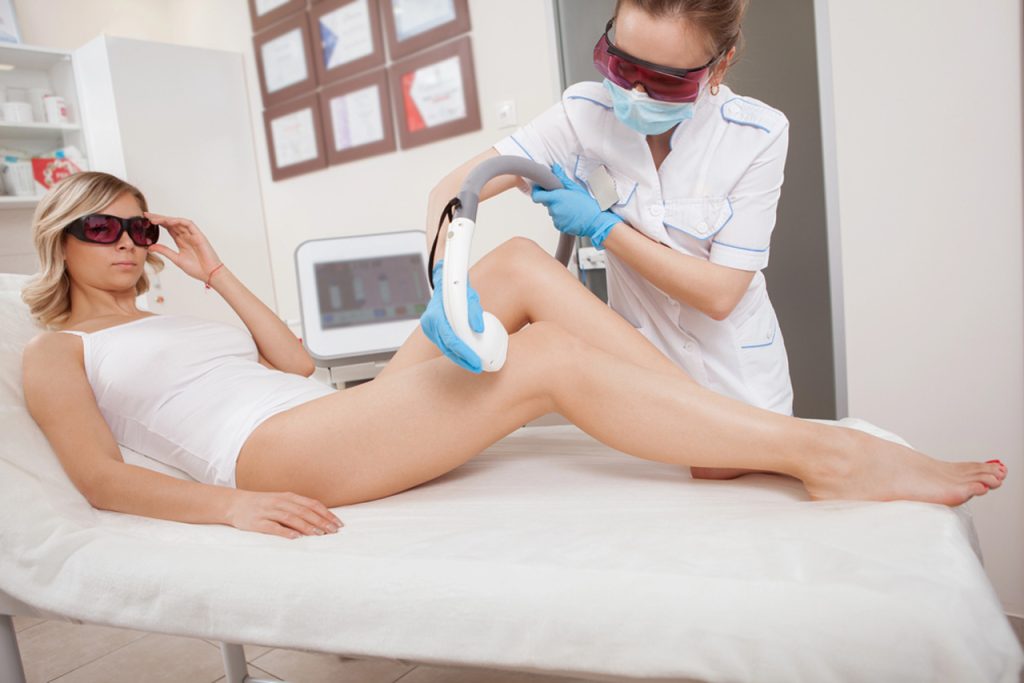
Hair removal courses teach students to handle diode, Nd:YAG, and Alexandrite lasers. Training focuses on energy adjustment for hair thickness, color, and skin type. Students also practice client positioning, comfort measures, and post-treatment care.
Skin Rejuvenation Lasers
Fractional and non-ablative lasers are common in skin rejuvenation courses. Students learn how to treat wrinkles, pigmentation, and scars safely. Practical training includes controlling depth, energy, and treatment spacing to achieve consistent results.
Advanced Laser Institute of Woodlands Equipment Overview
The Advanced Laser Institute of Woodlands provides students with access to a wide range of industry-standard lasers and training tools. Workstations include diode, CO2, Nd:YAG, and Alexandrite lasers, along with all safety equipment and practice materials.
Students experience real-world training scenarios, ensuring they leave the program prepared for professional laser work. The institute emphasizes hands-on learning and safety, giving graduates confidence to operate in medical and aesthetic settings.
Tips For Choosing The Right Training Equipment
Choosing the right equipment depends on career goals. Students interested in hair removal should prioritize diode and Alexandrite lasers, while those aiming for skin resurfacing may focus on CO2 or fractional lasers. Hands-on experience with multiple devices broadens skill sets, improves employability, and ensures familiarity with industry-standard tools.
How Equipment Training Improves Career Readiness
Career readiness comes from confidence and competence. Practical training reduces mistakes, enhances client safety, and builds a professional reputation.
Graduates who are comfortable with multiple devices and understand safety protocols become valuable assets in clinics and medspas. Employers trust technicians who can operate lasers independently while maintaining high standards of safety and efficacy.
Advanced Laser Institute of Woodlands Serving the Shenandoah Community and Beyond in Woodlands
Advanced Laser Institute of Woodlands is dedicated to serving the diverse needs of the local community of Woodlands, including individuals residing in neighborhoods like Shenandoah. With its convenient location near landmarks such as the Vision Park and major intersections like Vision Park Blvd. & Wellman Rd. (coordinates: 30.188903000000003, -95.45862009999999), we offer certified laser technician school near me Woodlands services.
Get Certified Laser Technician School Near Me Woodlands at Shenandoah Now
Navigate from Shenandoah to Advanced Laser Institute of Woodlands Now
Mastering Laser Skills Through Comprehensive Equipment Training
Laser training programs combine theory with practical, hands-on learning. Students gain mastery over devices, safety protocols, and treatment techniques. Using the right equipment—from diode and CO2 lasers to specialized tools—students develop precision, technical confidence, and readiness for professional practice.
Institutes like the Advanced Laser Institute of Woodlands provide the environment, tools, and guidance necessary for students to excel. Proper training ensures graduates enter the field prepared, skilled, and confident.
FAQs
- What types of lasers do students typically train on?
Students usually work with diodes, CO2, Nd:YAG, and Alexandrite lasers, covering treatments like hair removal, tattoo removal, and skin rejuvenation. - Is protective gear necessary during training?
Yes. Goggles, gloves, and protective clothing are mandatory to prevent injuries and build proper safety habits. - Can beginners safely use tattoo removal lasers?
Yes, but only under supervision and after practicing on simulation pads. Safety protocols are strictly followed before treating real clients. - How do simulation tools help students?
Simulation programs allow students to practice timing, energy adjustments, and treatment planning without risk, reinforcing confidence and technique. - Why train at the Advanced Laser Institute of Woodlands?
Our institute provides hands-on access to top-tier lasers, full safety equipment, practice materials, and expert guidance, ensuring students are ready for professional laser careers.