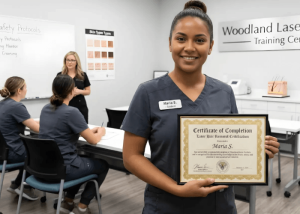
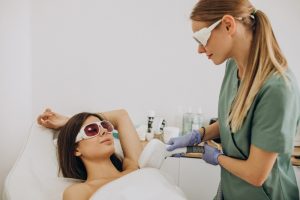
Laser hair removal has become one of the most requested cosmetic treatments in medical spas and aesthetic clinics. As demand continues to grow, so does the need for properly trained professionals who understand not only how to operate laser devices, but also how to protect clients, themselves, and the treatment environment.
Safety training is a core component of any reputable laser hair removal course. It covers a wide range of topics, from laser physics and skin biology to infection control, client screening, and emergency procedures. When talking about professional laser education, safety is not an optional add-on, it is a foundational element that shapes responsible practice and long-term career success.
This article explains what safety training is included in laser hair removal courses, how it is structured, and why it matters for students preparing to work in clinical or cosmetic settings.
Why Safety Training Matters in Laser Hair Removal Education
Laser hair removal uses concentrated light energy to target hair follicles beneath the skin. While modern laser systems are designed with built-in safeguards, improper use can lead to burns, pigmentation changes, eye injuries, or scarring. Safety training exists to reduce these risks and establish consistent treatment standards.
Professional courses focus on helping students understand how lasers interact with skin and hair, how to select appropriate settings, and how to recognize situations where treatment should be postponed or avoided. Safety education also protects providers from legal and professional liability by promoting ethical practice and compliance with industry guidelines.
Institutions such as Advanced Laser Institute of Woodlands integrate safety instruction throughout their laser hair removal programs to ensure graduates are prepared for real-world clinical environments.
Core Components of Safety Training in Laser Hair Removal Courses
Laser Physics and Light-Based Technology Basics
Most laser hair removal courses begin with an introduction to laser science. This section explains how laser energy is generated, delivered, and absorbed by melanin in the hair follicle. Students learn about wavelengths, pulse duration, fluence, and spot size, all of which influence treatment safety.
Understanding these concepts helps students avoid overexposure and select parameters that match a client’s skin type and hair color. Rather than memorizing numbers, students are taught how different settings change treatment outcomes and risk levels.
This foundational knowledge supports safer decision-making during hands-on practice and clinical work.
Skin Anatomy and Hair Growth Cycles
Safety training includes a detailed overview of skin structure and hair growth patterns. Students learn how the epidermis, dermis, and subcutaneous layers respond to heat and light energy.
Hair growth cycles—anagen, catagen, and telogen—are also covered, since laser hair removal is most effective during the active growth phase. Treating hair at the wrong stage can reduce results and increase the need for repeated sessions, which may raise the risk of skin irritation.
By understanding skin anatomy and hair biology, students can plan treatments that balance effectiveness with client safety.
Skin Typing and Risk Assessment
One of the most important safety topics in laser hair removal courses is skin typing. Many programs use the Fitzpatrick Skin Type scale, as defined in dermatology standards, to help students assess how different skin tones react to laser energy.
Students learn:
- How melanin concentration affects heat absorption
- Why darker skin requires adjusted settings
- How to reduce the risk of burns and hyperpigmentation
- When alternative treatment methods may be safer
Risk assessment also includes evaluating recent sun exposure, tanning products, hormonal conditions, and medications that increase photosensitivity.
Laser Equipment Safety and Device Handling
Proper Use of Laser Machines
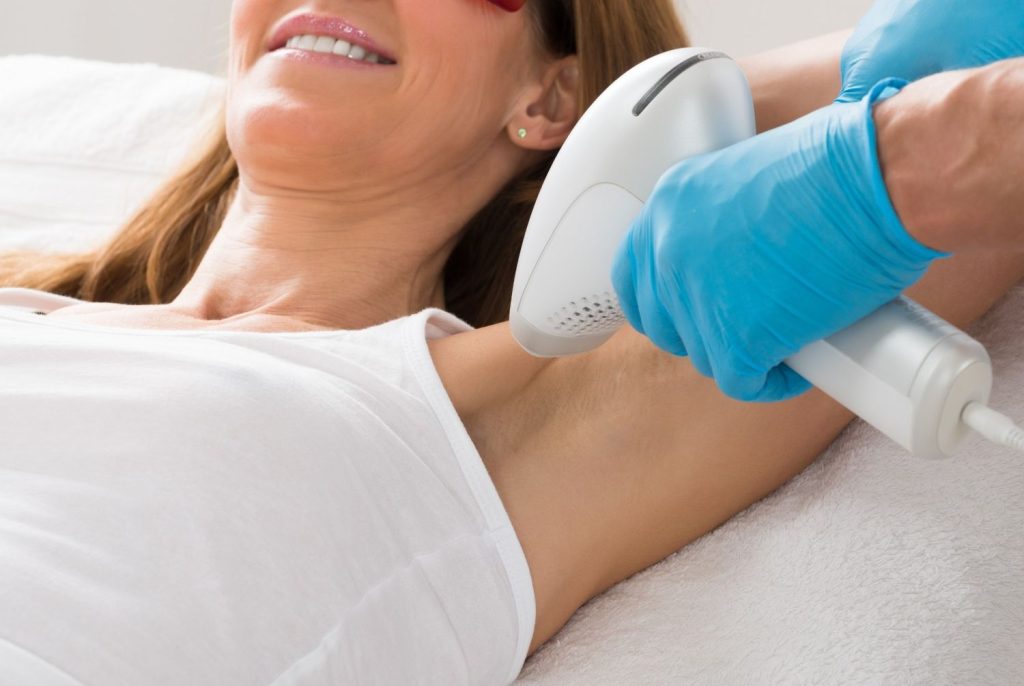
Courses provide training on how to safely operate laser hair removal devices, including startup checks, calibration, and shutdown procedures. Students learn how to inspect equipment for faults and recognize warning indicators.
This section often includes:
- Reading manufacturer guidelines
- Understanding built-in safety features
- Avoiding unauthorized setting changes
- Proper handpiece placement and movement
Correct handling reduces equipment damage and prevents accidental exposure.
Eye Protection and Laser Safety Protocols
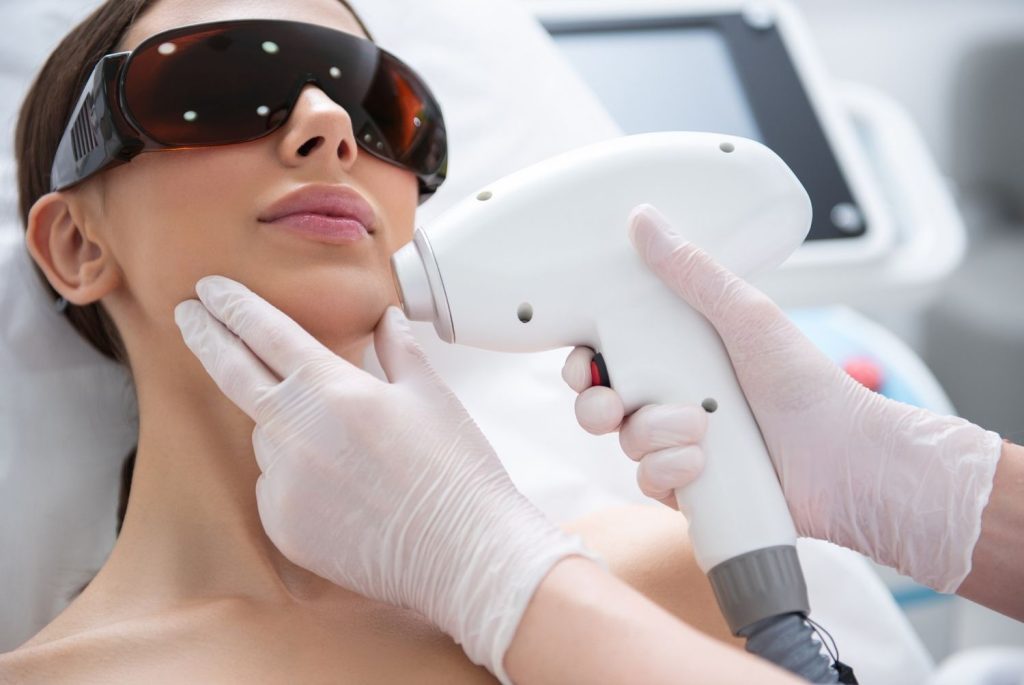
Eye safety is a non-negotiable part of laser education. Laser hair removal courses teach students how laser light can damage retinal tissue if proper protection is not used.
Training includes:
- Selecting appropriate protective eyewear
- Ensuring clients wear eye shields during facial treatments
- Controlling reflective surfaces in the treatment room
- Establishing controlled laser zones
These protocols protect both practitioners and clients during every procedure.
Client Safety, Consultation, and Informed Consent
Pre-Treatment Consultations
Safety training emphasizes the importance of thorough client consultations. Students learn how to gather medical history, identify contraindications, and explain realistic outcomes.
Common contraindications discussed in training include:
- Pregnancy
- Active skin infections
- Certain medications, such as isotretinoin
- Recent chemical peels or cosmetic procedures
Clear communication helps manage expectations and reduces the likelihood of adverse reactions.
Informed Consent and Documentation
Laser hair removal courses teach students how to explain risks, benefits, and aftercare requirements in plain language. Clients must understand possible side effects, such as redness or temporary swelling, before treatment begins.
Proper documentation is also covered, including consent forms, treatment notes, and incident reporting. Accurate records support professional accountability and long-term client safety.
Infection Control and Treatment Room Hygiene
Sanitation and Cross-Contamination Prevention
Infection control is another essential part of safety training. Although laser hair removal is non-invasive, it still involves close skin contact and shared equipment.
Courses cover:
- Proper hand hygiene
- Use of gloves and protective barriers
- Cleaning and disinfecting treatment surfaces
- Safe handling of reusable and disposable tools
These practices reduce the spread of bacteria and protect both clients and providers.
Post-Treatment Care and Skin Recovery
Students are trained to provide clear aftercare instructions that support healing and prevent complications. This includes guidance on sun avoidance, skincare products, and signs of abnormal reactions.
Understanding post-treatment care allows practitioners to monitor results and address concerns before they develop into more serious issues.
Managing Adverse Reactions and Emergencies
Identifying Normal vs. Abnormal Skin Responses
Laser hair removal courses teach students how to recognize typical post-treatment responses, such as mild redness or warmth, and distinguish them from warning signs like blistering or excessive swelling.
Students learn how to respond calmly and professionally when unexpected reactions occur.
Emergency Procedures and Incident Response
Safety training includes basic emergency protocols, such as:
- Immediate cooling techniques
- When to stop treatment
- How to document incidents
- When to recommend medical evaluation
These procedures help minimize harm and maintain professional standards during high-stress situations.
Legal, Ethical, and Regulatory Safety Training
Scope of Practice and Professional Boundaries
Laser hair removal courses also address the legal responsibilities associated with laser use. Students learn about scope of practice guidelines, supervision requirements, and professional conduct expectations.
Understanding these boundaries helps practitioners work confidently within regulated environments and avoid unsafe or unauthorized practices.
Ethics and Client Protection
Ethical training focuses on honesty, informed decision-making, and client-centered care. Students are taught to prioritize safety over speed or profit and to decline treatment when risks outweigh benefits.
This mindset supports long-term trust and professional credibility.
Hands-On Safety Training and Supervised Practice
Theory alone is not enough when learning laser hair removal. Reputable programs combine classroom instruction with supervised hands-on training.
During practical sessions, students:
- Practice safe laser handling
- Apply consultation and skin assessment skills
- Receive instructor feedback on technique and safety
- Learn to adjust settings based on real client variables
Hands-on safety training builds confidence and reinforces proper habits before entering professional practice.
How Safety Training Shapes Career Readiness
Comprehensive safety education prepares students for employment in medical spas, dermatology clinics, and aesthetic practices. Employers value graduates who understand risk management and client protection, not just technical skills.
Programs offered by Advanced Laser Institute of Woodlands emphasize safety as an ongoing responsibility, helping students develop habits that support consistent, ethical, and high-quality care.
Choosing a Laser Hair Removal Course with Strong Safety Standards
When evaluating laser hair removal courses, prospective students should look closely at how safety training is structured. A strong program will integrate safety into every stage of learning rather than treating it as a single module.
Key indicators of quality safety training include:
- Clear instruction on laser physics and skin typing
- Hands-on supervised practice
- Coverage of infection control and emergency response
- Emphasis on ethical and legal standards
These elements support both professional growth and client well-being.
Master Laser Hair Removal with Expert Training in Shenandoah
If you’re looking to launch or elevate your career in aesthetic treatments, choosing the right training program is the first step toward success. At Advanced Laser Institute of Woodlands, we provide neighborhood-focused laser hair removal courses designed to combine professional expertise with hands-on experience.
Whether you live in Woodlands, Shenandoah, or nearby areas, our courses are tailored to prepare you for a real-world career in cosmetic laser services.
Why Choose Advanced Laser Institute of Woodlands for Your Laser Hair Removal Training?
Neighborhood Convenience Meets Expert Training
Our program is strategically designed for students from Shenandoah neighborhoods, offering easy access without the hassle of long commutes. We understand the local community’s needs and strive to make professional laser education approachable, convenient, and highly effective.
By training close to home, you can focus on learning advanced techniques without distractions, while connecting with instructors who are familiar with the industry standards in your area.
Hands-On Learning You Can Trust
At Advanced Laser Institute of Woodlands, our courses go beyond theory. Students get practical, supervised experience with state-of-the-art laser equipment.
Key benefits include:
- Realistic practice on training models and devices
- Step-by-step guidance from certified professionals
- Safe and controlled environment to master techniques
This hands-on approach ensures you leave confident in your ability to perform laser hair removal safely and effectively.
Comprehensive Safety and Skill Development
Safety is central to our curriculum. From skin assessment to proper laser operation and post-treatment care, every lesson integrates safety training. You’ll learn how to:
- Identify skin types and potential risks
- Adjust laser settings for optimal results
- Handle client consultations and aftercare responsibly
By focusing on both skill and safety, you’ll be ready to provide professional services that clients trust.
A Community-Focused Learning Experience
We take pride in building a supportive learning environment for our students. By choosing Advanced Laser Institute of Woodlands, you’re joining a network of professionals who share your passion for aesthetic innovation. Our instructors provide mentorship, practical tips, and ongoing support, ensuring your success long after the course ends.
Whether you’re starting fresh or enhancing your current skills, our program is designed to help students in Woodlands, Shenandoah, and surrounding neighborhoods excel in the laser hair removal industry.
Start Your Career in Aesthetic Laser Treatments Today
Your path to becoming a certified laser hair removal professional begins here. With neighborhood-focused convenience, expert instruction, and a commitment to safety, Advanced Laser Institute of Woodlands provides the training you need to succeed in the growing world of cosmetic laser services.
Take the first step: learn locally, train professionally, and launch your career with confidence.
Advanced Laser Institute of Woodlands Serving the Shenandoah Community and Beyond in Woodlands
Advanced Laser Institute of Woodlands is dedicated to serving the diverse needs of the local community of Woodlands, including individuals residing in neighborhoods like Shenandoah. With its convenient location near landmarks such as the Vision Park and major intersections like Pine Forest Dr. and Vision Park Blvd. (coordinates: 30.188903000000003, -95.45862009999999), we offer laser hair removal course Woodlands services.
Get Laser Hair Removal Course Services At Shenandoah Now
Navigate from Shenandoah to Advanced Laser Institute of Woodlands Now
Final Thoughts
Safety training is a defining feature of professional laser hair removal education. From understanding how lasers interact with skin to managing real-world treatment scenarios, safety instruction shapes responsible practitioners who are prepared for the demands of the industry.
A well-designed laser hair removal course does more than teach technique, it builds judgment, awareness, and confidence. By choosing programs that prioritize safety, students invest in their long-term success and the trust of every client they serve.
FAQs
1. What types of safety training are included in a laser hair removal course?
Laser hair removal courses include comprehensive safety training covering laser physics, skin anatomy, hair growth cycles, risk assessment, eye protection, infection control, emergency procedures, and ethical client care. This ensures students can perform treatments safely and effectively.
2. Why is skin typing and risk assessment part of laser hair removal safety training?
Skin typing, such as using the Fitzpatrick scale, helps students understand how different skin tones respond to laser energy. Risk assessment identifies contraindications like medications, sun exposure, or skin conditions, reducing the chance of burns, pigmentation changes, or other adverse reactions.
3. How do laser hair removal courses teach equipment safety?
Students learn proper device handling, machine calibration, checking for faults, and using built-in safety features. Training also includes maintaining a safe treatment area, handling handpieces correctly, and following protocols to prevent accidental exposure.
4. Does safety training cover client consultation and aftercare?
Yes. Courses teach students how to conduct thorough consultations, identify contraindications, explain realistic outcomes, obtain informed consent, and provide post-treatment care instructions to protect clients and ensure proper skin recovery.
5. How does hands-on training support laser hair removal safety?
Hands-on practice allows students to apply safety protocols in real-world scenarios under supervision. They learn correct laser settings, skin assessments, emergency responses, and proper technique, reinforcing confidence and safe habits before working independently.