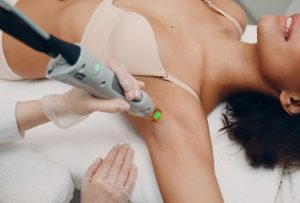
Laser hair removal is one of the fastest-growing non-invasive cosmetic procedures offered in medical spas and aesthetic clinics throughout the U.S.—and San Antonio’s vibrant Tobin Hill neighborhood is no exception. With a rising demand for long-term hair reduction, clinics are actively seeking trained professionals who understand both the technical and safety aspects of this treatment.
But entering the field isn’t as simple as learning how to operate a laser. In clinical settings, especially in Texas, practitioners must complete structured training that covers laser physics, skin anatomy, treatment protocols, and stringent safety guidelines. State regulations also require supervised hands-on practice and licensure, particularly if you’re working in or around medical environments.
This blog post breaks down the exact training required to become certified in laser hair removal in Texas. Whether you’re a licensed esthetician, nurse, or someone switching careers, understanding the certification pathway is key to staying compliant with state law and succeeding in a clinical setting—especially here in Tobin Hill, where top-tier med spa standards set the bar high.
Understanding Laser Hair Removal in a Clinical Context
Laser hair removal in a clinical setting is categorized as a medical procedure rather than a cosmetic service. That distinction carries specific responsibilities for practitioners and facility operators.
Lasers used in clinical settings—such as diode, Alexandrite, or Nd:YAG systems—emit concentrated beams of light capable of damaging hair follicles at the root level. Because of the potential risks, laser hair removal is regulated under state law in many jurisdictions, including Texas.
Technicians working in clinics must go beyond aesthetic knowledge. They must be trained in:
- How different skin tones and hair types respond to various laser wavelengths
- Avoiding thermal injuries or pigment changes
- How to safely adjust treatment settings based on the client’s skin characteristics
The clinical aspect also means practitioners may need to coordinate with medical professionals for pre-treatment assessments, particularly for clients with underlying skin or hormonal conditions.
Who Can Perform Laser Hair Removal in Texas?
Texas is one of the most regulated states when it comes to laser hair removal. Here’s what’s required to legally offer services in a clinic:
- You must be a certified Laser Hair Removal Technician (LHRT) approved by the Texas Department of Licensing and Regulation (TDLR).
- You must work under a Medical Director—a licensed physician responsible for overseeing laser safety and treatment protocols.
- You must operate in a licensed facility, which is required to meet inspection and documentation standards.
To legally operate, the technician needs to:
- Enroll in a state-approved training program.
- Complete supervised hands-on experience.
- Pass the state-administered exam.
- Be listed under a licensed laser hair removal establishment.
Without completing all of these steps, offering laser hair removal—even with training—can lead to penalties and legal consequences.

Step-by-Step: Required Training for Laser Hair Removal
1. Complete a Basic Laser Hair Removal Course
Your training begins with enrolling in a Basic Laser Hair Removal Technician course, which typically includes at least 40 hours of classroom and practical education. A reputable program should provide:
Theoretical Training
- Laser Physics: Covers how laser energy interacts with melanin in the hair follicle.
- Skin Anatomy: Understanding the layers of skin and the biology of hair growth helps technicians provide safer treatments.
- Safety Protocols: Eye protection, sanitation practices, skin patch testing, and identifying contraindications are emphasized.
Practical Training
- Students learn how to operate various laser platforms.
- They are trained to calibrate devices based on hair color, density, and skin tone.
- Simulated treatment sessions prepare students to perform live procedures safely and effectively.
At Advanced Laser Institute of San Antonio, students have access to multiple FDA-cleared devices and are guided through real-life clinical scenarios under supervision.
2. Gain Practical Experience
Texas requires practical, supervised experience before licensing. Students must complete:
- At least 100 hours of hands-on treatment time, or
- 40 supervised treatments on different parts of the body.
This experience is essential to:
- Build hand-eye coordination for precise laser application.
- Learn how to monitor skin reactions during and after treatment.
- Understand how to navigate client expectations and concerns in real time.
Live demonstrations and supervised treatments help students gain confidence and competence. At Advanced Laser Institute of San Antonio, students work with actual clients in a clinical setup, gaining real-world insights that can’t be replicated in a classroom-only model.
3. Pass the TDLR Examination
Once the training and clinical practice are complete, candidates must pass a written licensing exam administered by the Texas Department of Licensing and Regulation.
Exam Topics Include:
- Laser classifications and device maintenance
- Laser-tissue interaction
- Sanitation and infection control standards
- Texas-specific rules and enforcement protocols
- Professional ethics and patient communication
Passing this exam grants you official certification as a Laser Hair Removal Technician, allowing you to perform treatments under a medical director within a licensed facility.
4. Continue With Advanced Certifications (Optional But Recommended)
Becoming a Basic Technician is the first step, but it’s highly recommended to pursue additional certifications, especially if you’re working in a competitive clinic or planning to manage a facility in the future.
Advanced Levels:
- Senior Laser Hair Removal Technician: Requires additional hours and supervised treatments, as well as professional endorsements.
- Professional Laser Hair Removal Technician: Qualified to oversee and train junior technicians, manage equipment, and coordinate safety procedures.
Advanced Laser Institute of San Antonio offers continuing education paths that help technicians elevate their status and deepen their expertise over time. These advanced credentials can enhance your career prospects and income potential.
Why Certification and Training Standards Matter
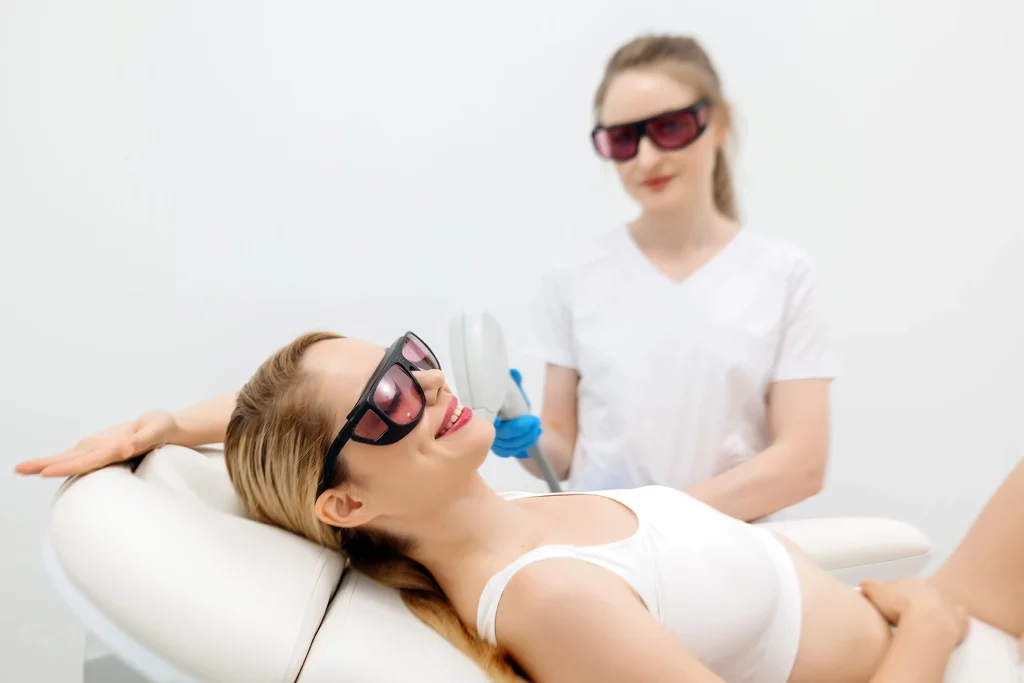
Without proper training, laser hair removal can result in burns, hyperpigmentation, scarring, or permanent skin damage. This is why state oversight and certification are not optional—they are required.
Certified training programs teach you how to:
- Recognize warning signs during a session
- Adjust settings to minimize risk
- Respond quickly to adverse skin reactions
- Maintain treatment logs and client records for legal protection
Training also ensures that treatments are consistent and ethical. Clients trust certified technicians because they have proof of competency and accountability.
Medical Director Supervision: A Legal Requirement
Laser hair removal technicians in Texas cannot operate independently. A Medical Director, who is a licensed physician, must be listed as the clinical supervisor at the facility.
The Medical Director is responsible for:
- Reviewing patient files and treatment plans
- Developing and authorizing protocols
- Handling complications or medical emergencies
- Ensuring equipment and staff meet clinical safety standards
This oversight ensures treatments remain within the boundaries of medical and legal compliance. It also provides clients with peace of mind knowing that a licensed physician is involved in the treatment framework.
Continuing Education and Industry Evolution
Laser technology evolves rapidly. New devices, techniques, and skin-safe innovations emerge regularly. To stay competitive and legally compliant, technicians should engage in ongoing education.
Benefits of Continuing Education:
- Learn how to use next-generation equipment
- Gain certifications in combination therapies (e.g., laser + RF or IPL)
- Improve consultation skills and patient outcomes
- Expand your services into other aesthetic areas like skin rejuvenation
Advanced Laser Institute of San Antonio keeps students and alumni informed about industry shifts through workshops, refresher courses, and mentorship programs.
Why Future Laser Technicians in Tobin Hill Choose Us for Certification Success
Are you ready to start a rewarding career in laser aesthetics? If you’re located in Tobin Hill, San Antonio, there’s no better place to launch your future than right here with us at Advanced Laser Institute of San Antonio. We don’t just teach laser hair removal—we prepare you to thrive in a competitive, clinical setting with the skills, credentials, and confidence you need to stand out.
Here’s why students from all over San Antonio—and especially Tobin Hill—choose our program:
State-Approved & Industry-Recognized Training
Our curriculum is approved by the Texas Department of Licensing and Regulation (TDLR), which means you’re learning the exact knowledge and hands-on skills required to earn your Laser Hair Removal Technician Certification legally and confidently in Texas.
Hands-On Experience with Real Equipment
You’ll train with advanced laser technology in a modern clinical environment that mirrors what you’ll encounter on the job. From safety protocols to treatment procedures, our hands-on training ensures you’re not just ready to pass the exam—you’re ready to treat real clients with care and confidence.
Located in the Heart of Tobin Hill
Our convenient location near San Antonio College makes us easily accessible to those living, working, or studying in Tobin Hill. Whether you’re a healthcare professional looking to expand your services or a career-changer ready for something new, we’re right here in your neighborhood.
Expert Instructors Who Support Your Goals
Our instructors aren’t just certified—they’re passionate, experienced professionals who care about your growth. We offer personalized support, career coaching, and licensing guidance to help you every step of the way, from enrollment to job placement.
Flexible Class Schedules
We understand that our students often juggle work, family, and other responsibilities. That’s why we offer flexible training schedules, including evening and weekend options, to help you pursue your certification on your time.
Make the Smart Move in Tobin Hill
If you’re serious about becoming a laser hair removal technician, don’t settle for generic courses. Choose the school trusted by future professionals across San Antonio—the one right here in Tobin Hill, offering top-tier training with local convenience and real-world results.
Ready to get certified?
Contact Advanced Laser Institute in Tobin Hill today and take the first step toward a future in the fast-growing world of medical aesthetics.
Advanced Laser Institute Serving the Tobin Hill Community and Beyond in San Antonio
Advanced Laser Institute of San Antonio is dedicated to serving the diverse needs of the local community of San Antonio, including individuals residing in neighborhoods like Tobin Hill. With its convenient location near landmarks such as San Antonio College and major intersections like E Locust St. & Paschal St. (coordinates: 29.44612303211837, -98.48999169999998), we offer laser hair removal technician Certification San Antonio services.
Get Laser Hair Removal Technician Certification San Antonio in Tobin Hill Now
Navigate from Tobin Hill to Advanced Laser Institute Now
Conclusion
Becoming a certified laser hair removal technician in a clinical setting takes more than just technical skills—it requires a solid foundation in science, safety, and state regulations. It’s a fulfilling career, but only when pursued through the right channels. At Advanced Laser Institute of San Antonio, conveniently located in Tobin Hill, we offer more than just a certificate—we offer a clear path to professional success. From expert-led training and real-world practice to licensing guidance and career support, we’re here to help you build a confident, compliant, and rewarding career in medical aesthetics. When you train with us, you’re not just learning—you’re investing in your future.
Frequently Asked Questions
1. What certification is required to perform laser hair removal in Texas?
To legally perform laser hair removal in Texas, you must be certified as a Laser Hair Removal Technician (LHRT) through the Texas Department of Licensing and Regulation (TDLR). This includes completing an approved training course, gaining hands-on experience, and passing a state exam. You must also work under a licensed Medical Director within a registered laser facility.
2. How long does it take to complete laser hair removal training?
The Basic Laser Hair Removal Technician program typically takes between 2 to 4 weeks, depending on the training provider and schedule. This includes at least 40 hours of classroom education and 100 hours or 40 treatments of supervised clinical practice. Advanced certification levels will require additional time and experience.
3. Can estheticians perform laser hair removal in a clinical setting?
Yes, licensed estheticians in Texas can perform laser hair removal if they become certified as Laser Hair Removal Technicians and operate under a Medical Director in a licensed facility. Esthetician licensure alone does not authorize laser use—state certification and supervision are mandatory.
4. What topics are covered in laser hair removal training?
Training programs cover:
- Laser physics and safety
- Skin types and anatomy
- Laser-tissue interaction
- Device settings and operation
- Client consultations and documentation
- Hands-on treatments under supervision
Programs like those at Advanced Laser Institute of San Antonio also include training on multiple FDA-cleared laser systems for comprehensive preparation.
5. Why is a Medical Director required for laser hair removal in Texas?
Texas law classifies laser hair removal as a medical procedure. A Medical Director, typically a licensed physician, is required to:
- Oversee treatment protocols
- Ensure technician compliance
- Manage safety standards
- Address potential complications
This ensures procedures are performed responsibly and with proper medical oversight in clinical environments.