

What Is Laser Hair Removal Anyway?
Laser hair removal uses concentrated light energy to damage hair follicles and reduce hair growth over time. Think of it as a high-tech way to slow your body’s hair production, rather than plucking or waxing every few weeks. It’s become wildly popular because it promises longer-term smoothness — but it’s not without risk. Misuse of the device or misjudging skin types can cause burns, pigmentation changes, or uneven results.
The Science Behind the Laser
Lasers target melanin — the pigment in your hair. When the laser is calibrated to the right wavelength, pulse duration, and intensity, it heats the follicle and disables it without damaging nearby skin. But skin tone, hair color, device type, and cooling systems all play a big role. Mistakes here can lead to unpleasant results.
Benefits and Risks
On the plus side: satisfaction rates are high, appointment intervals widen over time, and many people feel more confident. On the risk side: there are potential burns, blistering, hyperpigmentation, or even scarring. That’s why training, client assessment, and follow-up are so important.
Who’s Typically Licensed to Perform Laser Hair Removal?
Nurses and Medical Professionals
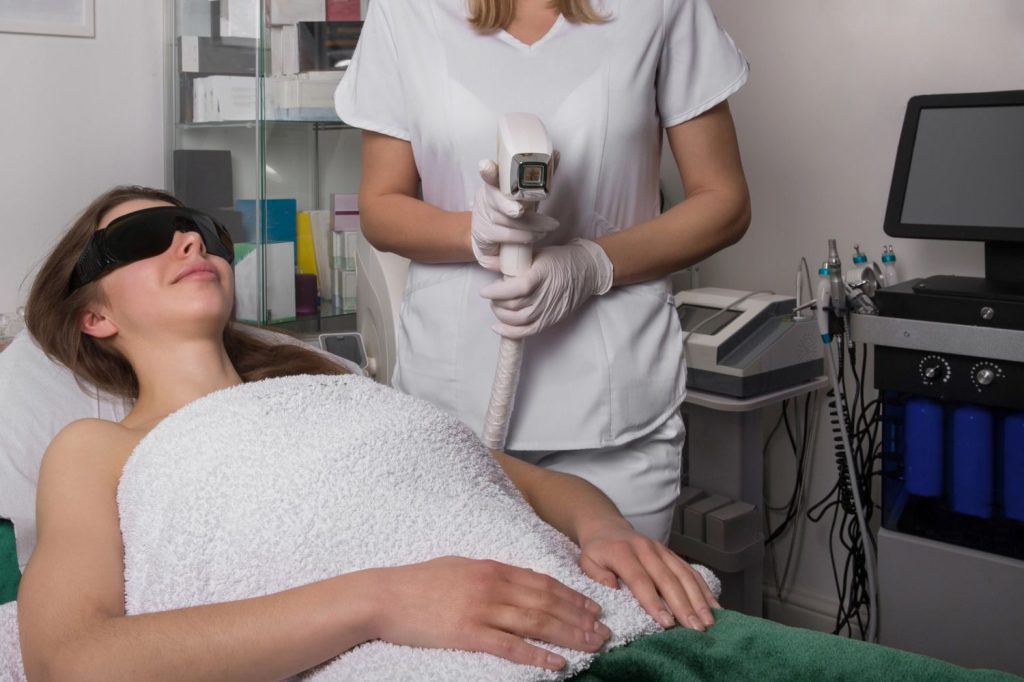
In many clinics, laser hair removal is supervised by or performed by nurses, doctors, or other licensed medical professionals. They’ve got the background to evaluate skin conditions, respond to adverse reactions, and often hold liability insurance tied to medical practice.
Non-Nurse Practitioners (Technicians / Aestheticians)
Some clinics hire certified technicians or licensed aestheticians to actually operate the laser device. These professionals typically have specialized laser-safety training but do not hold a nursing license. Their role may be restricted by law or by oversight agreements depending on state regulations.
Licensing Requirements in Texas
In Texas, laser hair removal is regulated under certain medical and cosmetic statutes. While the law doesn’t always demand a nurse to press the trigger, it may require that a physician delegate supervision or that the clinic maintains medical oversight. You’d need to check the Texas Medical Board or local health authority to verify whether your procedure needs direct medical supervision.
Certification vs. Medical Oversight
Even if you’re not a nurse, you might need to be certified by a recognized body (laser safety certification, Hours-of-Training requirement, etc.). But that certification doesn’t replace medical oversight. Many facilities require a supervising doctor or nurse to sign off on protocols, emergencies, or contraindications.
Doing Laser Hair Removal Without Being a Nurse: Is It Possible?
Legal Regulations Around Laser Use
Yes, it’s possible — under certain conditions. The legal landscape varies by state, and in Texas you may operate a laser under delegation, provided you meet training, certification, and supervision requirements. Some labels classify the laser as a medical device, which triggers higher scrutiny.
Delegation and Supervision Models
One model: a physician authorizes protocols, performs initial assessments, and delegates the actual laser operation to a trained technician under supervision. Another model: a registered nurse supervises the technician on-site while the technician operates the machine. That means you don’t strictly need to be a nurse — but you do need someone medically responsible.
Westfort Alliance Case: How a Clinic Might Operate
Let’s imagine your neighborhood clinic, Westfort Alliance, wants to offer laser hair removal but doesn’t have a full-time nurse on staff. How might you do it safely and legally?
What Westfort Alliance Could Do to Comply
First, you’d verify Texas rules for your exact ZIP code and township. Then you’d arrange for medical oversight — maybe by contracting with a supervising physician or registered nurse. You’d hire certified laser technicians or estheticians. You’d develop written safety protocols, emergency procedures, and document informed consent.
Another step: you’d maintain records of training hours, track device calibrations, keep incident logs, and have services regularly audited by the supervising professional.
Role of Advanced Laser Institute of San Antonio at Westfort Alliance
If Westfort Alliance partners with Advanced Laser Institute of San Antonio, you might send your technicians there for formal training and certification. Advanced Laser Institute of San Antonio could also provide ongoing consultation, periodic review of safety standards, or even co-brand the service to reassure clients that your laser procedures meet professional standards.
That kind of connection can boost your credibility — you could advertise that your laser services are overseen or trained by a reputable institute, which may help you attract clients who worry about safety.
Training & Certification Options for Non-Nurses
Typical Training Courses
Technicians or estheticians usually undergo courses covering laser safety, skin-type assessment, device handling, emergency first aid, and regulatory compliance. Many courses combine hands-on modules with classroom theory. You’ll learn how to adjust wavelength settings, test patch areas, manage sensitivity, and document treatment plans.
Liability Insurance & Safety Protocols
Even with great training, you’ll likely need liability insurance. Insurance companies want to know that you follow best practices. Safety protocols include pre-treatment screening (medications, skin conditions, history of sun exposure), cooling or pre-test patches, and after-care instructions.
Documentation is critical: you’ll log every session, note skin responses, record device parameters, and retain signed informed-consent forms. When you do all that, clients feel safer — and your business is more protected.
Safety, Quality & Patient Satisfaction
Ensuring Good Outcomes
To deliver great results, you’ll want to monitor progress across multiple sessions. Take “before and after” photos, ask clients about discomfort or side effects, and adjust parameters accordingly. Quality means fewer adverse reactions, more return customers, and glowing reviews.
Handling Complications
If something goes wrong — hyperpigmentation, redness that lingers, or an unexpected burn — you need to have a plan. That might include referral to a dermatologist or having a nurse or physician available by phone or in-person. Post-treatment follow-ups, written care instructions, and emergency contacts help you manage risk.
Best Practices Before Doing Laser Hair Removal Without Being a Nurse
Perform a Consultation
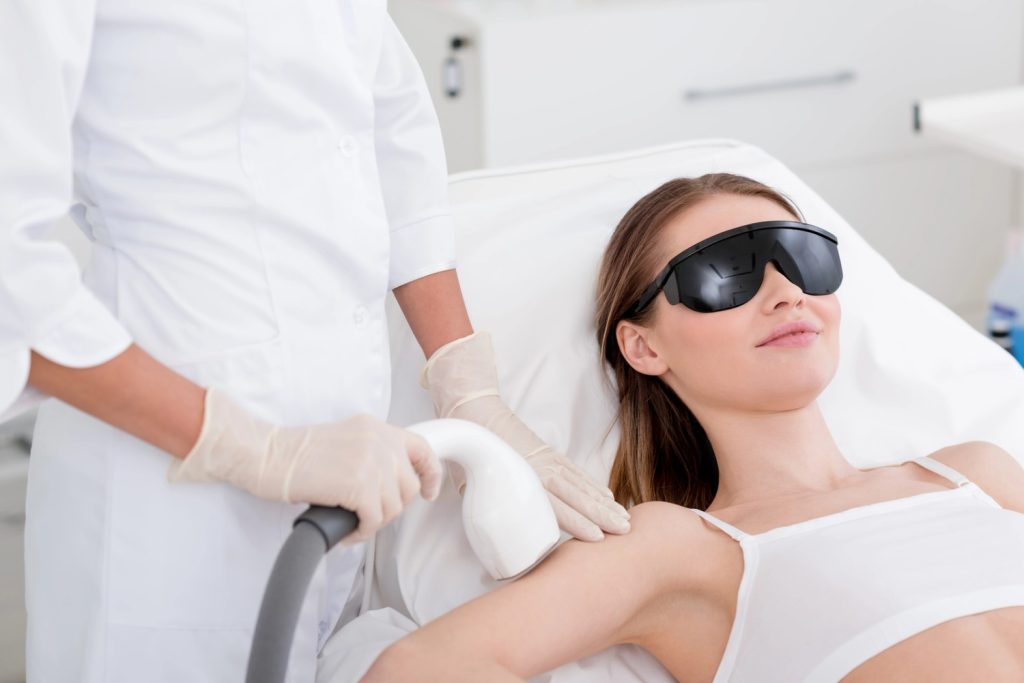
Every new client should get a full consultation: medical history, medications, skin conditions, allergies, expectations, and a patch test. Never skip this step — it’s your first line of defense against problems.
Know Your Equipment Inside Out
Read the manufacturer’s manuals. Understand the cooling system, calibrations, maintenance schedules, and safety features. Keep logs. Don’t assume “because it’s plugged in, it’s safe.”
Written Protocols & Emergency Plans
Write standard operating procedures (SOPs) for every situation: power outage mid-treatment, device malfunction, reaction to treatment. Train all staff regularly on emergency protocols and document drills. Even if you’re not a nurse, you’re running what’s essentially a medical-adjacent procedure — treat it as seriously as you would in a clinic.
Real-World Examples & Outcomes
Clinics Operating Under Supervision
There are many clinics nationwide that allow certified technicians to operate under physician or nurse oversight. They often schedule the supervising professional for periodic audits, quality checks, or even spot-checks. That model lets them scale more affordably while maintaining safety.
Success Stories & Cautionary Tales
Success stories often involve carefully documented protocols, happy clients, and strong reputations built over years. Cautionary tales tend to involve under-training, shortcuts, or failure to document. The latter often end up in costly legal claims or bad reviews.
Final Thoughts: Should You Attempt It?
Pros vs Cons
Pros: lower labor cost if you don’t hire a nurse full-time, greater flexibility in staffing, and potentially more accessible services.
Cons: increased legal risk, higher burden on training, liability, and oversight.
When You Should Simply Involve a Nurse
If you’re offering advanced or high-risk treatments, or serving clients with medical histories, involving a nurse or physician directly is wise. If you’re unsure about regulation or foresee legal risk, it’s safer to hire a nurse or partner with a medical facility.
Advanced Laser Institute of San Antonio Serving the Westfort Alliance Community and Beyond in San Antonio
Advanced Laser Institute of San Antonio is dedicated to serving the diverse needs of the local community of San Antonio, including individuals residing in neighborhoods like Westfort Alliance. With its convenient location near landmarks such as the Maverick Park and major intersections like W Carson St. and Austin St. (coordinates: 29.44162552775665, -98.47450141275156), we offer laser hair removal technician training San Antonio services.
Get Laser Hair Removal Technician Training At Westfort Alliance Now
Navigate from Westfort Alliance to Advanced Laser Institute of San Antonio Now
Conclusion
Can you do laser hair removal without being a nurse? Yes — under the right conditions. With proper training, certification, documented protocols, and medical oversight, non-nurse technicians or aestheticians can safely and legally perform laser hair removal at clinics like Westfort Alliance.
Partnering with authoritative institutions like Advanced Laser Institute of San Antonio and adhering to best practices helps ensure client safety and business credibility. But tread carefully: when in doubt, involve a licensed nurse or medical professional. Your reputation — and your clients’ skin — depend on it.
FAQs
1. Do I need a nursing license to operate a laser hair removal machine?
Not always — but state regulations may require supervision by a physician or nurse, even if you’re a certified technician.
2. How long is the training course for non-nurse laser technicians?
It varies, but many laser safety courses offer between 20 to 40 hours of instructional time plus supervised hands-on practice.
3. Can I market myself as a laser hair removal provider without medical staff on-site?
You can — if you meet all legal requirements for supervision, certification, consent forms, and safety protocols — though you may need an off-site supervising physician.
4. What happens if a client has an adverse reaction?
Your protocol should include after-care instructions, emergency referral contacts, and a clear escalation path to a medical professional (a nurse or physician).
5. Do clients feel less safe if no nurse is present?
Possibly — that’s why partnering with an established training institute (like the Advanced Laser Institute of San Antonio) or clearly communicating your oversight procedures can build trust.