

Laser hair removal is becoming increasingly popular as more people seek long-term solutions for unwanted hair. For individuals looking to build a career in the beauty and wellness industry, understanding how laser hair removal training differs from general esthetics education is essential.
While esthetics covers a broad spectrum of skincare and beauty services, laser hair removal training focuses on highly specialized techniques and safety measures. In this article, we explore the differences in training, licensing, skills, and career opportunities.

Understanding Esthetics Training
Esthetics training provides the foundation for a career in skincare and beauty services. Students learn how to care for skin, provide facial treatments, perform makeup application, and execute basic hair removal techniques such as waxing. The focus is on creating a safe and relaxing experience for clients while improving skin health and appearance.
Core Curriculum of Esthetics Programs
An esthetics program typically covers:
- Skin Anatomy and Physiology: Understanding skin types, conditions, and the effects of aging.
- Facial Treatments: Techniques such as cleansing, exfoliation, and mask application.
- Hair Removal Basics: Waxing, threading, and basic depilatory methods.
- Sanitation and Safety Practices: Preventing infections and maintaining hygiene standards.
- Client Consultation Skills: Assessing skin health and recommending appropriate treatments.
Esthetics training programs generally range from 300 to 1,200 hours, depending on state requirements. Graduates receive an esthetician license, allowing them to offer a wide range of beauty and skincare services.
Laser Hair Removal Training Explained
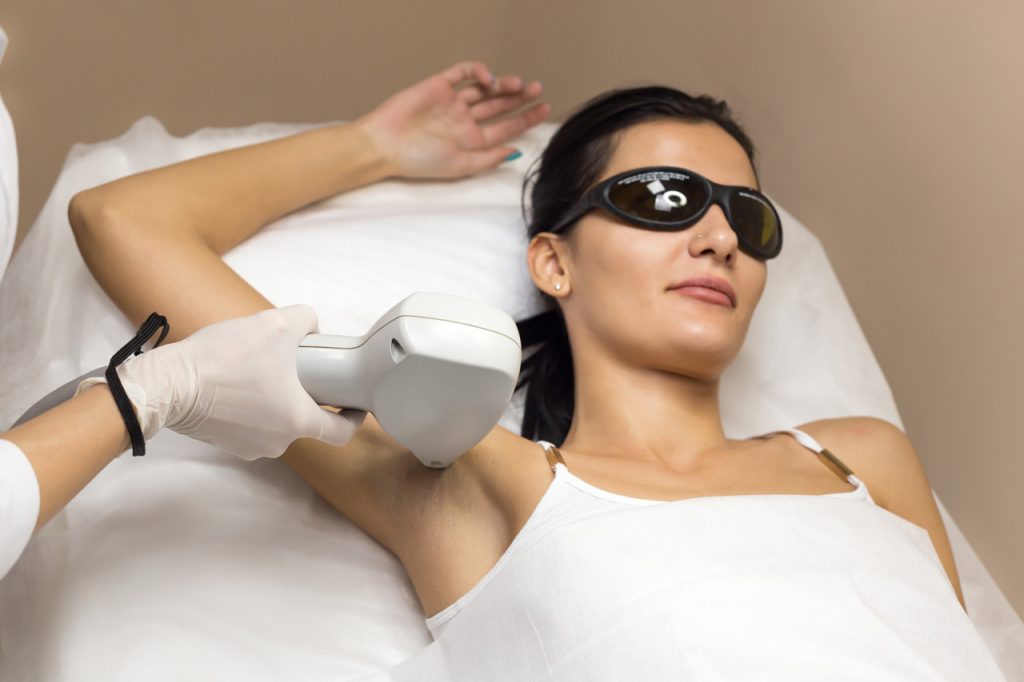
Laser hair removal training focuses specifically on using laser technology to remove unwanted hair safely and effectively. Unlike general esthetics programs, laser training requires knowledge of both skincare and the technical operation of laser equipment.
Specialized Curriculum of Laser Hair Removal Programs
A typical laser hair removal program includes:
- Laser Physics and Technology: Understanding how lasers interact with hair follicles and skin.
- Skin and Hair Science: Identifying suitable candidates based on skin tone, hair color, and medical history.
- Laser Safety and Regulations: Learning protocols to avoid burns, hyperpigmentation, or eye injuries.
- Hands-On Laser Practice: Supervised practice sessions on different body areas.
- Emergency Response Techniques: How to manage adverse reactions or skin complications.
Laser training programs are usually shorter than esthetics programs, often ranging from 150 to 300 hours, but the training is highly focused on safety, precision, and equipment mastery.
Licensing and Legal Requirements
One of the main differences between esthetics and laser hair removal training is licensing.
- Esthetician License: Required to provide general skincare services, obtained after completing an accredited esthetics program and passing a state exam.
- Laser Hair Removal Certification: Often requires additional training beyond esthetician licensure. Some states allow only licensed estheticians or medical professionals to perform laser treatments, while others require a separate laser-specific license or certificate.
At the Advanced Laser Institute of Woodlands, students receive hands-on training and certification that meets state requirements, ensuring they are qualified to perform laser treatments safely and professionally.
Skill Differences Between Estheticians and Laser Technicians
While estheticians and laser hair removal technicians both work in the beauty industry, their skill sets differ significantly.
Esthetician Skills
Estheticians are trained to:
- Provide facials, skin treatments, and body care services.
- Identify skin conditions and recommend appropriate care routines.
- Perform hair removal using traditional methods like waxing or threading.
- Maintain client comfort and manage skincare consultations.
Laser Technician Skills
Laser technicians, on the other hand, focus on:
- Operating and calibrating laser devices for safe hair removal.
- Evaluating skin and hair types to determine suitable laser settings.
- Managing client expectations and advising on post-treatment care.
- Handling advanced safety measures to prevent skin damage.
In short, laser hair removal requires more technical expertise, particularly in physics, safety protocols, and laser operation, whereas aesthetics emphasizes overall skin health and general beauty services.
Career Opportunities and Industry Demand
The career paths for estheticians and laser hair removal technicians also differ.
Esthetician Careers
Estheticians can work in:
- Spas and wellness centers.
- Dermatology offices.
- Beauty salons.
- Freelance or mobile skincare services.
The work is varied but generally focused on skincare, relaxation, and cosmetic enhancement.
Laser Hair Removal Careers
Laser hair removal technicians often find opportunities in:
- Medical spas and aesthetic clinics.
- Dermatology and cosmetic surgery offices.
- Specialized laser hair removal centers.
Laser technicians typically earn higher salaries than general estheticians due to the specialized skills required. Demand is increasing as more clients seek long-term hair removal solutions, making it a promising career choice.
Training Intensity and Learning Environment
The learning environment for laser hair removal training is generally more focused and technical compared to esthetics training.
- Esthetics Training: Classroom-based with hands-on practice in facials, waxing, and client care. The pace is moderate, and students gain exposure to multiple beauty services.
- Laser Hair Removal Training: Intensive and highly supervised, often in a clinical or simulated medical environment. Students spend significant time practicing on laser devices, learning safety procedures, and understanding skin reactions.
At the Advanced Laser Institute of Woodlands, students experience a structured program that balances theory with practical application, ensuring graduates are confident in performing professional laser treatments.
Choosing the Right Program
For individuals considering a career in beauty and wellness, deciding between esthetics and laser hair removal training depends on career goals:
- If you want a broad skill set in skincare and beauty, esthetics training provides flexibility and variety.
- If you want to specialize in high-demand, technical treatments, laser hair removal training offers a focused, specialized path with strong earning potential.
It is worth noting that many laser technicians first complete esthetics training before pursuing laser certification, as this background provides a solid foundation in skin care, hygiene, and client interaction.
Key Takeaways
Understanding the differences between esthetics and laser hair removal training helps students make informed career decisions. Here’s a summary:
- Scope: Esthetics is broad, covering skincare, facials, and traditional hair removal; laser hair removal is specialized and technology-focused.
- Training Hours: Esthetics programs are longer; laser training is shorter but intensive.
- Licensing: Estheticians require state licensure; laser technicians often need additional certification.
- Skills: Laser hair removal requires technical skills in laser operation and safety; esthetics focuses on client care and skin health.
- Career Opportunities: Both fields offer rewarding careers, but laser technicians often earn higher wages and have specialized opportunities.
By choosing the right path, aspiring beauty professionals can align their education with career goals and industry demand.
Master Laser Hair Removal in Shenandoah at Advanced Laser Institute
Looking to start a rewarding career in laser hair removal? Advanced Laser Institute of Woodlands offers expert training right in the heart of Shenandoah, making it easy for local students to access top-quality education without traveling far.
Our laser hair removal academy combines hands-on experience with in-depth knowledge of skin science and laser technology, preparing you to confidently enter the beauty and wellness industry.
Why choose us? Our programs are designed to provide real-world