

Laser hair removal is one of the most in-demand aesthetic services today, especially in growing wellness hubs like Research Forest and surrounding areas. As more clients look for long-term hair reduction solutions, the need for well-trained laser technicians continues to rise.
However, many learners discover something important only after enrolling in a program: not all laser hair removal technician training covers real-world, hands-on skills that matter in a clinic setting.
If you’re exploring laser hair removal technician training, it’s important to understand what proper training should actually include beyond theory and basic demonstrations. This guide breaks down five practical skills that are often missing—but should not be.
Understanding the Gap Between Training and Real Practice
Most training programs introduce students to laser physics, hair growth cycles, and basic safety rules. While this information is useful, it often falls short when transitioning into real client work.
In a clinical environment, technicians must make quick decisions, adjust to different skin types, and manage equipment confidently. Without hands-on practice, even well-informed students may feel unsure when treating actual clients.
That’s where the gap begins—and why practical skill development matters.
1. Client Consultation and Real Skin Assessment Skills
One of the most overlooked skills in many programs is proper client consultation.
In real practice, a technician must do more than just ask basic questions. They need to assess:
- Skin tone and Fitzpatrick skin type classification
- Hair texture and density
- Medical history and contraindications
- Client expectations and treatment goals
A strong consultation helps prevent complications and improve treatment results. Yet many training programs only briefly cover this step, without giving students enough live practice with real or simulated clients.
In professional settings like Advanced Laser Institute of Woodlands, students should be trained to confidently communicate with clients, explain procedures clearly, and set realistic expectations before any laser session begins.
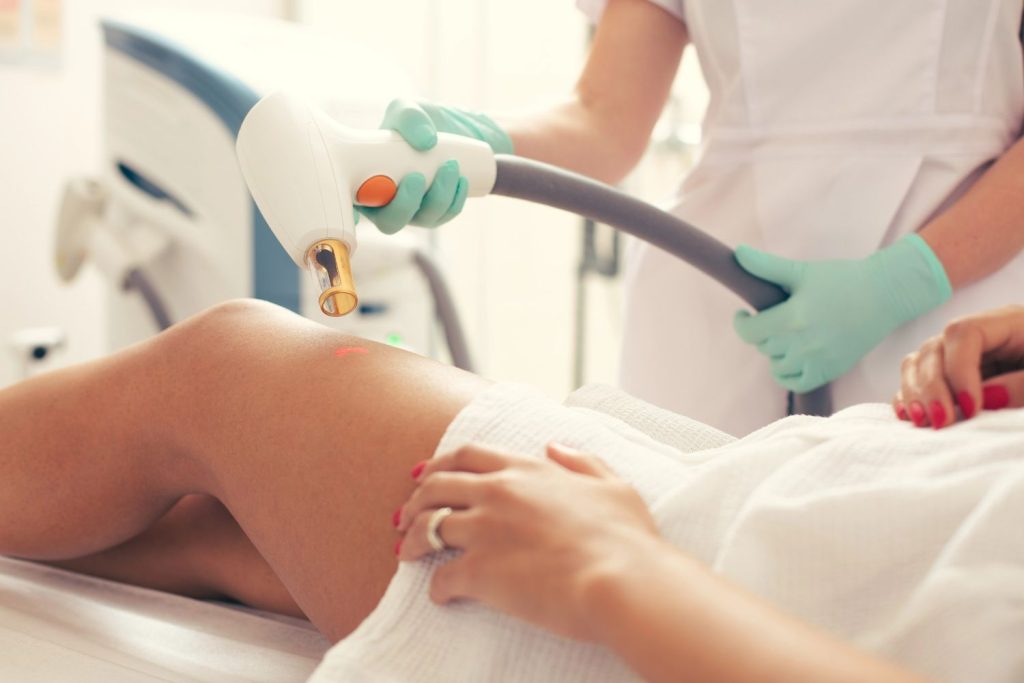
2. Laser Device Handling and Calibration Practice
Operating a laser machine is not just about switching it on and following preset settings.
Hands-on training should include:
- Understanding different laser systems (diode, alexandrite, Nd: YAG)
- Proper device setup and calibration
- Spot size adjustments based on treatment area
- Cooling system usage for patient comfort
Many learners report that they only see instructors operate the machine without getting enough personal practice time. This leads to hesitation when they first work in a real clinic.
In real-world training environments, students should repeatedly handle devices under supervision until they develop muscle memory and confidence. This step is essential in building a technician’s ability to work independently.
3. Treatment Parameter Selection for Different Skin Types
Every client is different, and laser settings cannot be applied universally.
A technician must understand how to adjust:
- Energy levels (fluence)
- Pulse duration
- Repetition rate
- Cooling intensity
For example, darker skin types require more cautious settings to avoid pigmentation issues, while finer hair may need different energy levels compared to coarse hair.
Unfortunately, many programs only explain these concepts in theory without allowing students to actually set parameters on machines during training.
Quality laser hair removal technician training should include scenario-based learning where students practice selecting correct settings for varied client profiles. This helps prepare them for real clinical decision-making.
4. Safety Protocols and Emergency Response Handling
Safety is one of the most important parts of laser treatments, yet it is often treated as a checklist rather than a practical skill.
Proper hands-on training should include:
- Eye protection procedures for both client and technician
- Handling burns or skin irritation immediately after treatment
- Machine shutdown protocols in case of malfunction
- Recognizing early signs of adverse reactions
In real practice, situations can change quickly. A client may experience unexpected discomfort or skin sensitivity. Without training in emergency response, technicians may hesitate or react incorrectly.
At Advanced Laser Institute of Woodlands, safety training should go beyond reading guidelines. Students should physically practice response steps so they can act confidently when needed.
5. Post-Treatment Care, Documentation, and Client Follow-Up
Many training programs focus heavily on the treatment session itself, but often overlook what happens after the procedure.
A professional technician should know how to:
- Provide clear post-care instructions (sun exposure, skincare products, etc.)
- Document treatment details accurately
- Track client progress over multiple sessions
- Handle follow-up communication professionally
Proper documentation helps ensure consistent results and protects both the client and technician. It also supports better long-term treatment planning.
Without this training, technicians may struggle to manage client expectations or track treatment effectiveness properly.
Hands-on exposure to real case documentation during laser hair removal technician training helps build strong professional habits early.
Why Choose Advanced Laser Institute of Woodlands for Laser Training
When selecting a training program, the difference often comes down to practical exposure and instructor experience. Advanced Laser Institute of Woodlands focuses on bridging the gap between classroom knowledge and real clinical application.
Here’s what makes it stand out:
Real Hands-On Learning Environment
Students work directly with professional-grade laser equipment instead of only observing demonstrations. This builds confidence and reduces hesitation in real job settings.
Structured Clinical Practice
Training includes guided client simulations where students practice consultations, device handling, and treatment execution under supervision.
Focus on Safety and Precision
Every student is trained to prioritize patient safety while maintaining treatment effectiveness. This includes real-time correction and feedback during sessions.
Skill-Based Curriculum
Instead of focusing only on theory, the program emphasizes practical outcomes such as parameter selection, skin analysis, and post-care management.
Location Advantage
Conveniently located near Research Forest, Advanced Laser Institute of Woodlands provides accessible training for students aiming to build careers in the growing aesthetic industry.
For anyone considering laser hair removal technician training Woodlands locals trust, choosing a program with real-world application can make a significant difference in career readiness.
Advanced Laser Institute of Woodlands Serving the Research Forest Community and Beyond in Woodlands
Advanced Laser Institute of Woodlands is dedicated to serving the diverse needs of the local community of Woodlands, including individuals residing in neighborhoods like Research Forest. With its convenient location near landmarks such as the CALRegional The Woodlands and major intersections like Technology Forest Blvd and New Trails Dr (coordinates: 30.17990814214017, -95.47942686551528), we offer laser hair removal technician training Woodlands services.
Get Laser Hair Removal Technician Training at Research Forest Now
Navigate from Research Forest to Advanced Laser Institute of Woodlands Now
Conclusion
Becoming a skilled laser hair removal technician requires more than understanding equipment and reading treatment manuals. It demands practical experience, decision-making skills, and confidence in handling real clients.
Many training programs fall short by focusing too heavily on theory and not enough on hands-on learning. Skills such as client consultation, device handling, parameter selection, safety response, and post-care management are often underdeveloped, but they are essential in real clinical work.
Choosing a structured program like Advanced Laser Institute of Woodlands helps bridge this gap by focusing on applied training and real-world readiness. For those pursuing a future in aesthetic treatments, this approach can lead to stronger skills and better career opportunities.
FAQs
1. What skills should I expect from laser hair removal technician training?
A complete program should include client consultation, skin analysis, laser machine operation, safety protocols, and post-treatment care. Hands-on practice is equally important as theory.
2. Is hands-on training necessary for becoming a laser technician?
Yes, hands-on training is essential because it helps you gain confidence in handling real equipment and working with different skin types and treatment scenarios.
3. How long does laser hair removal technician training usually take?
Training duration can vary, but most programs range from a few weeks to several months, depending on the depth of practical and theoretical learning included.
4. What makes Advanced Laser Institute different from other training programs?
It focuses on real clinical practice, structured hands-on sessions, and supervised training using professional equipment, helping students become job-ready.
5. Can beginners join laser hair removal technician training programs?
Yes, most programs are designed for beginners and gradually build knowledge from basic concepts to advanced hands-on clinical skills.