

Why Education Matters in Laser Hair Removal
Ever wondered how people make unwanted hair vanish almost magically using lasers? Laser hair removal isn’t just about aiming a fancy light at the skin — it’s a medical-grade procedure that requires skill, precision, and most importantly, the right education. If you’re considering a career in this fast-growing beauty and aesthetics field, one of your first questions is probably: What kind of degree or training do I actually need?
The answer depends on where you live, your career goals, and the type of work environment you want. In Five Points, professionals aiming to enter the field have access to high-quality training options, including programs offered by Advanced Laser Institute of San Antonio — a trusted name in advanced aesthetic education. Understanding the difference between degrees, licenses, and certifications will help you take the right path toward becoming a qualified laser hair removal specialist.

What Is Laser Hair Removal?
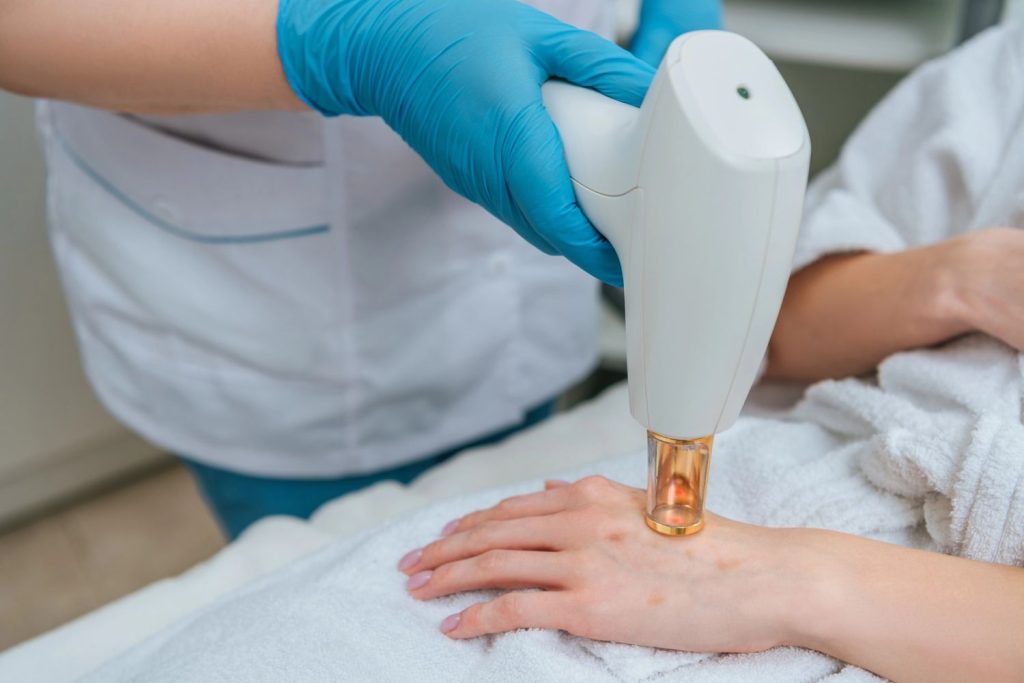
Before we talk about education, let’s get the basics down. Laser hair removal is a cosmetic procedure that uses concentrated beams of light to target and damage hair follicles, preventing or slowing hair regrowth. It’s popular because it offers long-lasting results compared to shaving or waxing.
But here’s the catch — working with lasers isn’t as simple as pointing and clicking. It requires in-depth understanding of how light interacts with skin, safety protocols, and how to customize treatment for different skin types. That’s why professional training is essential.
How It Works: Technology & Safety
Laser hair removal relies on the principle of selective photothermolysis — a fancy way of saying that the laser’s light energy selectively targets melanin (pigment) in hair follicles without damaging the surrounding skin.
Different lasers are designed for different skin tones and hair colors. A trained technician learns to adjust wavelengths, pulse duration, and intensity based on the client’s needs. Using the wrong settings can lead to burns, scars, or hyperpigmentation — which is exactly why proper education and licensing are non-negotiable.
Risks & Why Training Is Critical
The skin is the body’s largest organ — and not something you want to gamble with. Without proper training, technicians can cause severe damage. That’s why regulatory boards require laser hair removal specialists to complete approved courses covering topics such as anatomy, skin assessment, and laser safety.
At reputable institutions like the Advanced Laser Institute of San Antonio, students not only learn how to perform treatments safely but also how to handle potential complications. You’ll learn how to recognize contraindications, manage client reactions, and implement safety protocols that protect both you and your clients.
Licensing vs. Degree: What’s the Difference?
Here’s where many people get confused. Do you need a degree to perform laser hair removal? Or is a license enough? Let’s break it down.
A license is a state-mandated requirement that allows you to legally perform laser procedures. A degree is an academic credential that provides broader education, often including business, science, and management training.
In some states, you can perform laser treatments with certification alone, while others require you to hold a medical or aesthetic license. Texas, where Five Points is located, falls somewhere in the middle — certification and licensing are essential, but a full degree isn’t always mandatory.
Licensing Requirements in Texas (and Five Points Area)
In Texas, laser hair removal professionals must comply with the regulations of the Texas Department of Licensing and Regulation (TDLR). Typically, you’ll need to:
- Complete a state-approved laser training course
- Pass a written and practical exam
- Work under supervision (if required by your level of certification)
- Maintain continuing education to renew your license
Depending on your background — whether you’re a cosmetologist, aesthetician, nurse, or medical assistant — your path might vary slightly. But no matter what, you’ll need professional training in laser theory and hands-on practice before operating any equipment.
Degree Programs: Certificate, Associate, and Beyond
While not always required by law, a formal degree can boost your credibility and career prospects. Here are the main paths to consider:
Certificate Programs in Aesthetics or Cosmetology
Certificate programs are the most direct way to start. These typically take a few months to complete and focus specifically on practical skills, safety protocols, and device handling. A certificate from a school like Advanced Laser Institute of San Antonio can help you meet state licensing requirements and prepare you for real-world experience.
Associate Degree Options
If you want a more comprehensive education, an associate degree in cosmetology, aesthetic science, or paramedical aesthetics might be right for you. These programs often last about two years and include general education courses alongside specialized subjects like anatomy, dermatology, and small business management — all valuable if you plan to open your own clinic one day.
Bachelor’s or Advanced Degrees
While a bachelor’s degree isn’t typically required to perform laser hair removal, it can open the door to advanced roles, such as clinic management, education, or research. Fields like biomedical science, dermatology technology, or healthcare management can complement your laser certification and elevate your career potential.
Courses and Curriculum You’ll Encounter
So, what exactly will you learn during your training? Here’s a snapshot of typical subjects covered in laser hair removal education programs:
Anatomy & Physiology
You’ll study how skin, hair, and underlying tissues function. Understanding the structure of the skin layers and hair follicles is vital to ensure effective and safe treatments.
Laser Physics & Safety
This is where science meets practice. You’ll learn about laser types, wavelengths, pulse durations, and how these factors interact with various skin tones. Safety modules cover eye protection, room signage, and emergency procedures.
Skin Science and Dermatology Basics
Skin analysis is key to successful laser treatment. You’ll learn about the Fitzpatrick scale (used to classify skin types), pigmentation disorders, and how to assess whether a client is a good candidate for laser procedures.
Hands-On Training and Clinical Hours
No laser program is complete without hands-on practice. You’ll work on real clients (or models) under supervision, applying everything you’ve learned in theory to real-life treatments. This stage builds your confidence and skill in adjusting settings, preparing clients, and handling unexpected reactions safely.
Choosing a School Near Five Points
If you live around Five Points, convenience matters. You’ll want a school that’s close enough for daily commuting and that offers high-quality instruction with modern laser equipment. Proximity to your home means you can dedicate more time to learning and less to traveling — plus, you may build local professional connections even before you graduate.
Why Local Options Matter
Attending a local program has its perks. Schools in or near your community understand state-specific licensing rules and often collaborate with nearby spas and clinics for internships or job placements. Plus, you’ll gain familiarity with your local clientele, market trends, and employer expectations — all of which make it easier to land a job after certification.
Advanced Laser Institute of San Antonio — What to Know
One excellent resource for aspiring professionals in the Five Points area is the Advanced Laser Institute of San Antonio. Known for offering comprehensive and industry-recognized programs, this institute focuses on blending theory, safety, and hands-on training.
Their instructors are often licensed professionals with real-world experience, ensuring you learn more than just textbook material. You’ll receive exposure to the latest laser technologies, including diode, Nd:YAG, and Alexandrite systems, along with advanced skin rejuvenation techniques.
If you’re seeking a career-focused, accredited training program with flexible scheduling options, this institute should be one of your top considerations.
Certification and Continuing Education
Laser technology evolves quickly. New machines, updated safety standards, and improved techniques mean that ongoing education is a must.
National Certification Bodies
After completing your coursework, you might consider earning additional certifications from national organizations such as the National Council on Laser Certification (NCLC) or The Society for Clinical and Medical Hair Removal (SCMHR). These credentials demonstrate your commitment to professional excellence and can help set you apart from competitors.
State Continuing Education Requirements
In Texas, professionals must periodically renew their licenses or certifications, which typically involves completing continuing education hours. These courses update you on new devices, treatment protocols, and safety regulations. Staying current not only keeps you compliant with state laws but also keeps your skills sharp and marketable.
Career Paths and Job Outlook
Once you’ve earned your certification or degree, a variety of career options open up.
Working in Clinics, Spas, or Medical Settings
Laser hair removal technicians work in diverse environments — from dermatology clinics and med-spas to cosmetic surgery centers and wellness facilities. In some cases, technicians work under a physician’s supervision; in others, they operate independently.
Earning Potential and Advancement
Your income will depend on your experience, education, and location. Entry-level technicians may start modestly, but with more advanced credentials and a solid reputation, earnings can grow significantly. Those with formal degrees or management experience can progress to roles such as clinic director, laser safety officer, or even aesthetic educator.
Steps to Become a Laser Hair Removal Specialist
If you’re ready to take the next step toward your new career, here’s a straightforward roadmap:
- Research Local Requirements – Visit the Texas Department of Licensing and Regulation (TDLR) website to understand what’s required to perform laser hair removal in your area.
- Enroll in a Program – Choose between a certificate or degree program that fits your goals and schedule. Consider local institutions such as Advanced Laser Institute of San Antonio for convenient, high-quality training.
- Complete Hands-On Training – Get plenty of practice under professional supervision.
- Get Licensed and Certified – Pass your exams and apply for your state license.
- Stay Educated – Continue learning and renewing your credentials to stay competitive and safe in your practice.
Advanced Laser Institute of San Antonio Serving the Five Points Community and Beyond in San Antonio
Advanced Laser Institute of San Antonio is dedicated to serving the diverse needs of the local community of San Antonio, including individuals residing in neighborhoods like Five Points. With its convenient location near landmarks such as the San Pedro Springs Park and major intersections like Lombrano St. and N Comal St. (coordinates: 29.44162552775665, -98.5054819872484), we offer laser hair removal certification San Antonio services.
Get Laser Hair Removal Certification At Five Points Now
Navigate from Five Points to Advanced Laser Institute of San Antonio Now
Conclusion
What kind of degree do you need for laser hair removal? The truth is, you don’t always need a traditional college degree — but you do need proper training, licensing, and certification. Programs offered by reputable institutions like Advanced Laser Institute of San Antonio can give you everything you need: technical knowledge, hands-on experience, and professional credibility.
For residents of Five Points, taking advantage of local educational opportunities is the smartest way to build a successful career in the beauty and wellness industry. The right education ensures not only your success but also the safety and satisfaction of every client you serve.