

Understanding which states require laser certification for estheticians is important for anyone who wants to build a career in cosmetic lasers, laser hair removal, skin rejuvenation, or medical aesthetics.
Licensing laws across the United States are not the same, and every esthetician needs to know what their state allows before offering services including laser hair removal, IPL treatments, or other energy-based procedures.
This guide explains how laser certification requirements work, which states allow estheticians to perform laser services, which states require medical oversight, and how to prepare for licensing if you plan to work with lasers. While rules change often, this breakdown gives you a strong starting point when evaluating your career path or training options.
Understanding Laser Certification Rules in the United States
Laser regulations in the U.S. are set at the state level. That means every state board decides who can operate cosmetic lasers, what type of certification is required, and whether medical supervision is needed. These differences can affect where estheticians choose to work or train.
Why States Regulate Cosmetic Laser Work
States regulate cosmetic lasers for several reasons:
- Laser and light-based treatments use high-energy devices
- Skin type, hair pigmentation, and treatment depth affect outcomes
- States want to ensure estheticians receive enough training
- Medical boards in some states classify lasers as medical devices
Because of these factors, some states allow estheticians to operate lasers independently with proper training, while others require direct physician oversight.
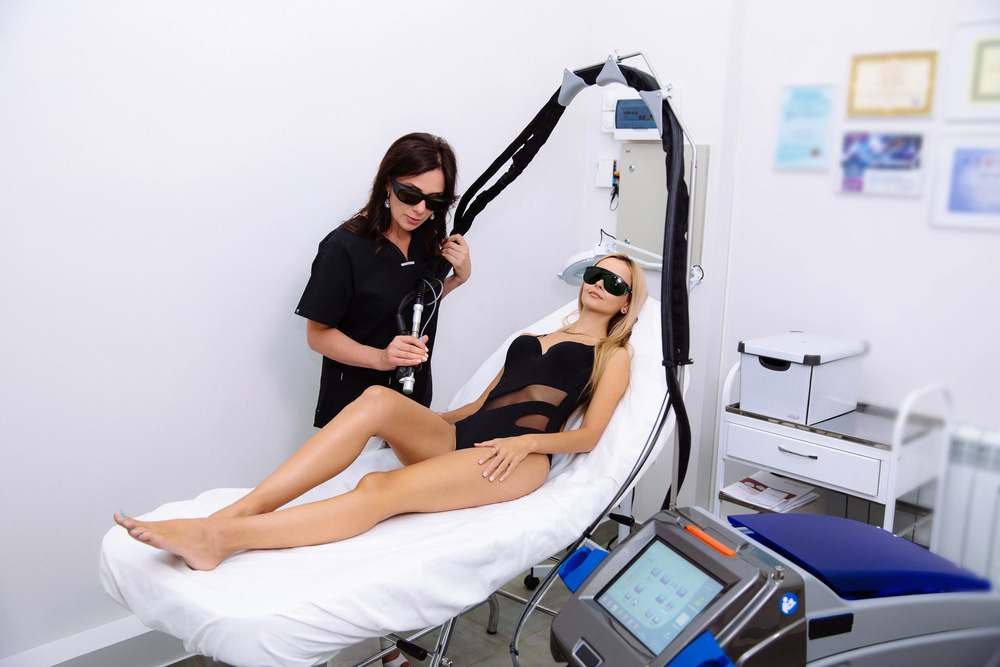
States That Allow Estheticians to Perform Laser Services With Certification
Some states allow estheticians to provide laser hair removal or other cosmetic laser treatments as long as they complete recognized laser training and hold an esthetician license. These states usually require supervised training hours, hands-on experience, and device-specific education.
Below are the states commonly known to allow estheticians to operate lasers with certification. Requirements can change, but these states generally support esthetician-level laser practice:
1. Texas
Texas is one of the most active states for estheticians working with lasers. The state allows estheticians and cosmetologists to perform laser hair removal if they complete:
- A state-approved laser hair removal course
- Hands-on training
- Certification under a registered facility
A laser professional in Texas works under a delegating physician, but estheticians can perform many services independently once properly trained.
2. Arizona
Arizona allows estheticians to perform cosmetic laser treatments if they complete a laser technician program that includes:
- Laser safety
- Tissue interaction principles
- Cosmetic laser applications
The state also requires treatment logs and structured supervision during training.
3. Nevada
Nevada estheticians can work with:
- Laser hair removal
- IPL treatment
- Laser skin resurfacing (non-ablative)
They must complete an approved laser certification program and work under medical direction depending on the procedure.
4. Colorado
Estheticians in Colorado may perform cosmetic laser services with certification and appropriate training hours. Many non-medical cosmetic procedures fall under the state’s esthetician licensing system, provided that the treatment is non-ablative.
5. Utah
Utah allows estheticians to perform laser services with:
- A Master Esthetician license
- Laser theory education
- Hands-on supervised hours
This state is known for a strong structure for cosmetic laser training.
6. New Mexico
New Mexico permits estheticians to perform non-ablative laser services if they complete a state-recognized laser technician program.
States That Require Medical Oversight for Laser Services
Some states allow estheticians to operate cosmetic lasers but require direct or indirect physician supervision. This means an esthetician cannot practice independently, but they may provide treatments in a medical spa, dermatology office, or clinic.
These states include:
1. California
California does not allow estheticians to operate medical lasers independently. Laser treatment is considered a medical procedure. However, estheticians may work in a medical office or med spa where the treatment is delegated by a licensed medical professional.
2. Florida
Florida classifies cosmetic laser treatments as medical procedures. Estheticians can assist or apply devices under strict medical supervision, depending on the treatment depth and device category.
3. Georgia
Georgia requires estheticians to work under a physician or supervising medical professional when performing laser or light-based procedures.
4. Illinois
Illinois requires estheticians to work under medical oversight for laser and IPL treatments. Certification is still recommended for training and compliance.
States Where Estheticians Cannot Operate Lasers Independently
Certain states restrict estheticians from performing any type of laser or light-based treatment unless they hold a separate medical license or work exclusively in a medical environment.
These states can include:
1. New York
New York currently places laser operations under medical practice. Estheticians cannot legally perform laser hair removal or other cosmetic laser services independently.
2. New Jersey
New Jersey has firm regulations, requiring lasers to be operated by medical professionals or under direct physician control.
3. Ohio
Ohio allows some forms of light-based procedures but still categorizes many cosmetic lasers as medical procedures. Estheticians generally cannot treat clients without physician involvement.
States With Limited or Unclear Laser Regulations
Some states do not have clear language on cosmetic lasers for estheticians. This does not mean lasers are unrestricted; rather, the rules may fall under medical boards, radiation control agencies, or other departments.
States that often fall into this category include:
- Alaska
- Hawaii
- Nebraska
- Michigan
- Mississippi
- Kentucky
In these states, estheticians often look to:
- Department of Health guidance
- Medical board rules
- Laser operator manuals
- State esthetician licensing definitions
Even without explicit rules, estheticians typically need structured laser training to protect themselves, clients, and employers.
What Laser Certification Usually Includes
Laser certification programs across the country usually cover similar educational topics, even though state requirements differ. Proper training ensures estheticians understand how light-based devices interact with the skin, how to handle equipment safely, and how to avoid treatment complications.
Common subjects in laser training include:
- Laser safety standards
- Wavelengths and tissue interaction
- Fitzpatrick skin type assessment
- Non-ablative cosmetic treatments
- Laser hair removal theory
- IPL safety
- Pre-treatment consultation
- Contraindications
- Post-treatment care
- Hands-on practice on models
Hands-On Training
Most states want laser technicians to complete real-world practice sessions. This includes training on:
- Laser hair removal
- Pigmentation reduction
- Vascular treatments
- Skin rejuvenation
- Acne devices
Hands-on instruction gives estheticians the confidence to perform a variety of laser procedures safely.
How Estheticians Can Choose a State-Approved Laser Training Program
When choosing a laser program, estheticians should look for:
State Alignment
The training should match the requirements of the state where you plan to work.
Device-Specific Education
Training should include the device types you will use, such as:
- Diode lasers
- Alexandrite lasers
- Nd:YAG lasers
- IPL devices
Real Model Practice
Supervised practice is one of the st